

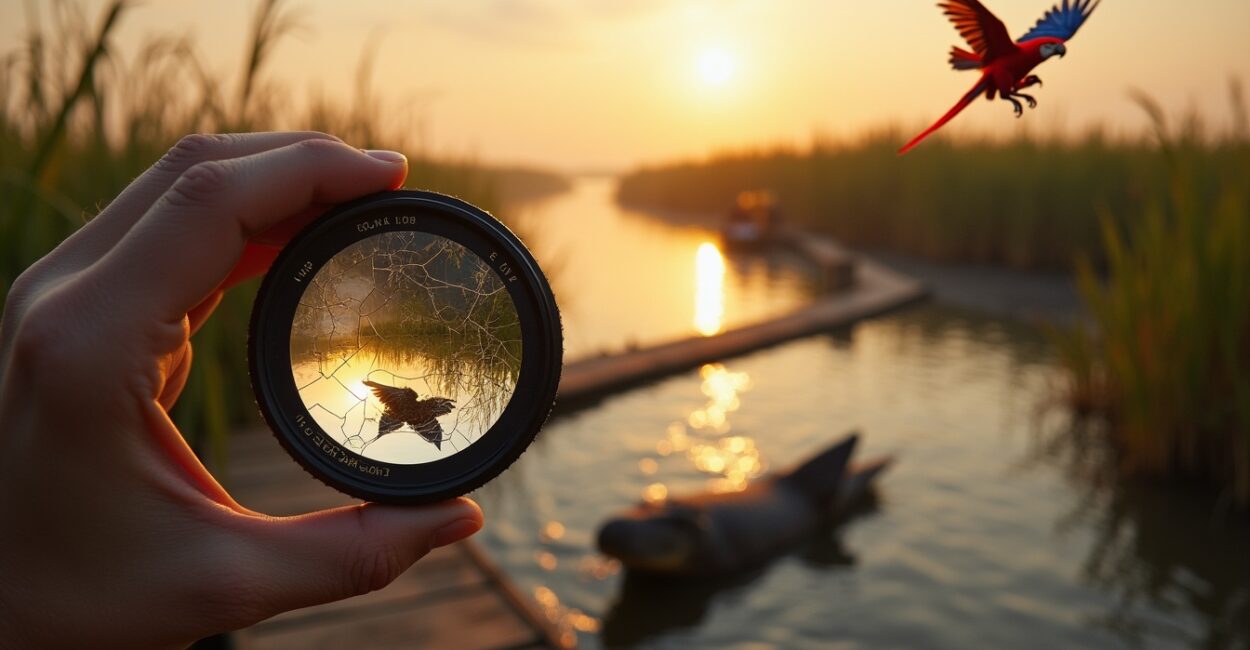
The Pantanal wildlife pulses with life: endless marshes, scarlet macaws, jaguars slipping through reeds, and capybaras basking at dusk. This is wildlife in its most cinematic, vulnerable form.
Understanding Pantanal wildlife matters now more than ever as fires, flooding cycles and tourism reshape habitats. This guide focuses on viewing, safety, and responsible planning for unforgettable sightings.
Read on to discover practical viewing plans like the Transpantaneira route, guided jaguar tours, essential safety tips, and concrete steps to prepare for a Pantanal wildlife adventure.
Where to See Pantanal Wildlife: Prime Locations and Habitats
Transpantaneira Road Highlights
The Transpantaneira offers unrivaled wetland access, with wooden bridges and roadside pools that attract caimans, hyacinth macaws, and giant otters.
Drive slowly at dawn or dusk for the best chance to spot jaguars, marsh deer, and a chorus of wetland birds along the boardwalks.
Private Reserves and River Safaris
Private fazendas and river safaris concentrate sightings, combining boats and trucks to approach capybaras, caimans, and anacondas without disturbing them.
These guided experiences increase sightings of elusive species, support local conservation, and offer expert naturalist commentary during trips.
Planning Your Trip: Timing, Logistics, and Best Seasons
Choosing the Right Season
Dry season draws animals to shrinking waterholes, improving visibility for jaguar tours and birdwatching on exposed riverbanks and oxbow lakes.
Wet season floods create dramatic landscapes and boat-only routes, increasing aquatic species encounters and lush migratory bird influxes.
Transport and Accommodations
Road conditions vary: four-wheel drive rentals or lodge transfers are common along the Transpantaneira to reach remote viewing points and trails.
Book lodges early during peak months; many offer bundled guided tours, boat safaris, and night drives to maximize wildlife viewing time.
- Pack lightweight, breathable clothing and rain gear.
- Carry binoculars and a camera with telephoto lens.
- Confirm lodge transfers and local COVID or entry rules in advance.
Iconic Species to Expect: Jaguars, Hyacinth Macaws and More
Big Cats and Apex Predators
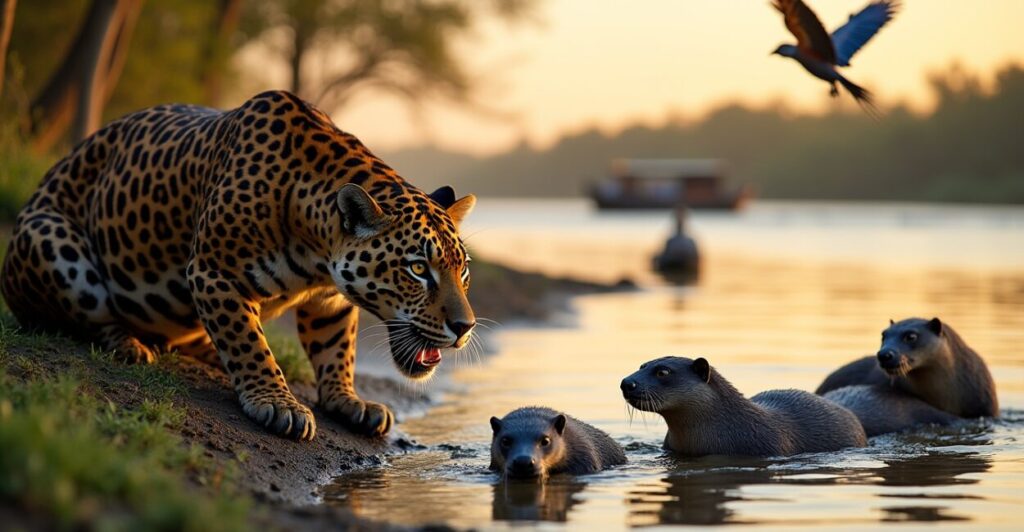
Jaguars are the crown jewel of Pantanal wildlife, typically sighted near rivers hunting caimans or along game trails at dusk.
Guided jaguar tours use riverboats and hides to observe without disturbance, increasing safety and chances for meaningful encounters.
Birdlife and Aquatic Fauna
Hyacinth macaws, jabirus, and herons dominate skies and riverbanks, while giant river otters and caimans shape river ecosystems.
Early morning and late afternoon produce the richest bird activity, with bright plumage and dramatic feeding scenes along shallow waters.
Guided Jaguar Tours and Responsible Viewing Practices
How Guided Jaguar Tours Work
Professional guides deploy from boats or hides, combining local knowledge and patience to locate jaguars by scent, tracks, and recent sightings.
Tours prioritize animal welfare, maintaining safe distances and limiting flash photography to avoid stressing big cats during sightings.
Ethical Viewing and Conservation
Responsible operators support habitat protection and community livelihoods, channeling revenue into anti-poaching and research programs.
Always follow guide instructions: avoid approaching alone, stay quiet, and respect seasonal restrictions to reduce disturbance to Pantanal wildlife.
- Choose an accredited operator with conservation credentials.
- Arrive early and stay concealed to avoid spooking animals.
- Follow all guide instructions and maintain distance.
- Limit flash photography and be patient during waits.
- Support local conservation with donations or purchases.
Transpantaneira Sightings: Real Examples and What to Expect
Dawn Sightings Along the Boardwalks
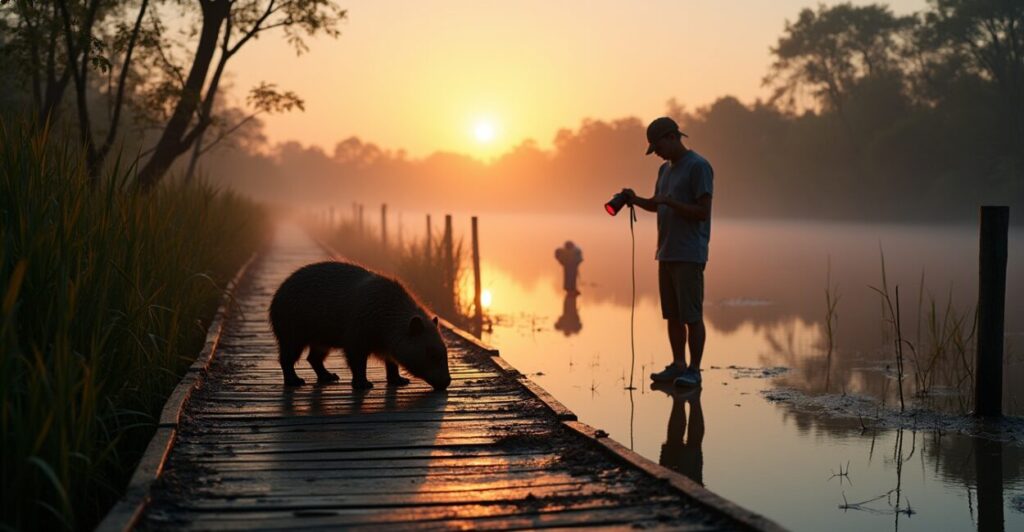
Travelers often spot capybaras grazing, corridors of marsh deer, and caimans basking near bridge pilings at sunrise along the Transpantaneira.
Birdwatchers delight in flocks of ibis, toucans, and colorful kingfishers that flit between trees and roadside ponds.
Night Drives and Nocturnal Life
Night drives reveal ocelots, owl species, and the reflective eyes of caimans; guides use red lights to minimize disturbance.
These nighttime experiences deepen connections to Pantanal wildlife, highlighting adaptations and secretive behaviors rarely seen by day.
| Spot | Typical Species | Best Time |
|---|---|---|
| Bridges on Transpantaneira | Capybara, caiman, jabiru | Sunrise, sunset |
| River oxbow lakes | Giant otter, herons, jaguar (rare) | Dry season mornings |
| Private lodge hides | Jaguars, tapirs, peccaries | Dawn and dusk |
Essential Safety Tips for Viewing Pantanal Wildlife
Personal Safety Around Wildlife
Never approach wild animals or separate from your guide. Large mammals and reptiles can be dangerous when cornered or surprised.
Keep children close, secure food, and avoid hiking alone to minimize encounters and protect both visitors and wildlife.
Health, Weather, and Emergency Prep
Bring insect repellent, water purification, sun protection, and basic first aid. Be ready for sudden weather and variable road conditions.
Register your itinerary with your lodge, note emergency contacts, and confirm satellite or local phone access before venturing into remote areas.
- Carry a personal water filter and reusable bottle.
- Get recommended vaccinations and travel insurance.
- Follow local fire and park regulations to prevent habitat loss.
How to Plan a Responsible Visit: Community, Conservation, and Impact
Supporting Local Communities
Choose community-run lodges and guides; your spending supports sustainable livelihoods and incentivizes habitat protection for Pantanal wildlife.
Buy crafts and services locally, and respect cultural practices to foster positive relationships and long-term conservation benefits.
Minimizing Your Ecological Footprint
Reduce single-use plastics, stick to marked trails, and avoid feeding wildlife to prevent dependency and altered behaviors among Pantanal species.
Opt for operators contributing to conservation research or anti-poaching efforts to amplify the positive impact of your visit.
- Confirm operators donate to conservation programs.
- Practice low-impact photography and noise control.
- Respect seasonal closures and breeding sites.
Ready to witness Pantanal wildlife? The wetland rewards patience, respect, and curiosity. Whether along the Transpantaneira or on a guided jaguar tour, plan responsibly, follow safety rules, and cherish each encounter. Return home changed by the wild rhythms of the world’s largest tropical wetland.
Frequently Asked Questions
When is the Best Time to Visit the Pantanal for Wildlife Viewing?
The dry season, typically from July to October, offers easier access and concentrated wildlife around waterholes, improving visibility for jaguar tours, birdwatching, and riverbank sightings with comfortable temperatures and clearer trails.
Are Guided Jaguar Tours Safe and Ethical?
Reputable guided jaguar tours prioritize safety and animal welfare, using hides and boats to maintain distance, limiting visitor numbers, and working with conservation projects to protect habitats and reduce human-wildlife conflict.
What Should I Pack for Wildlife Viewing in the Pantanal?
Pack lightweight breathable clothing, a rain jacket, sturdy shoes, binoculars, a telephoto lens, insect repellent, sunscreen, water purification, and any prescribed medications to stay comfortable and prepared in remote conditions.
How Can Visitors Minimize Their Environmental Impact in the Pantanal?
Support local guides and lodges, avoid single-use plastics, follow trail rules, refrain from feeding animals, and choose operators that contribute to conservation and community development to protect habitats and Pantanal wildlife.
Which Reputable Sources Can I Consult for More Information?
Consult organizations like WWF Brazil (wwf.org.br) and Brazil’s Ministry of Tourism (gov.br) for up-to-date conservation news and safe travel guidelines.