

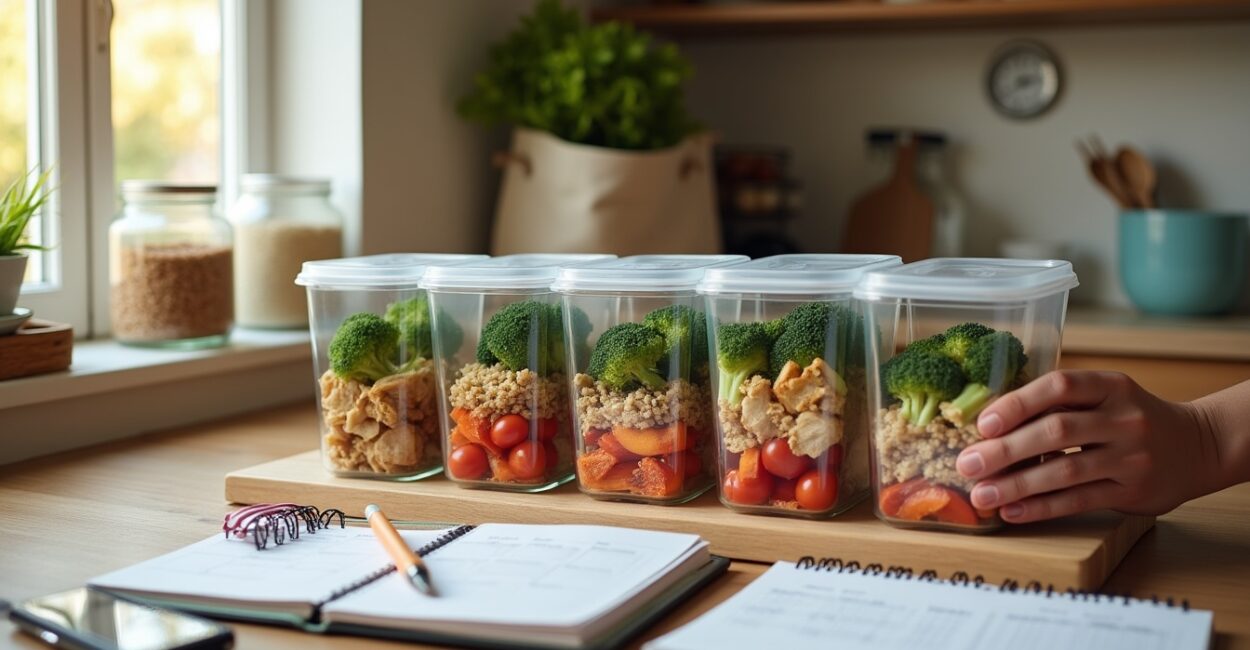
Meal Planning is the process of selecting and scheduling meals in advance to meet nutritional goals, save time, reduce waste, and streamline grocery shopping. Meal Planning helps individuals and families organize breakfasts, lunches, dinners, and snacks across days or weeks to ensure balanced nutrition and efficient use of ingredients.
For busy readers, effective meal planning translates to fewer last-minute decisions, predictable food costs, and healthier choices. This article explores practical meal planning methods, sample weekly plans, time-saving techniques, and nutrition-focused strategies tailored for hectic schedules, helping you adopt sustainable habits.
We cover step-by-step workflows, method comparisons, shopping and batch-cooking tips, ingredient swaps, cost and time data, and a FAQ to answer common concerns about Meal Planning.
Fundamentals of Meal Planning and Core Concepts
- Define goals: weight management, family meals, or time-saving routines
- Inventory basics: track pantry staples, proteins, grains, and produce
- Balance macros: combine protein, healthy fats, and carbohydrates
- Scheduling cadence: daily, weekly, or biweekly planning approaches
What Basic Elements Compose a Meal Plan?
A solid meal plan includes a list of meals, ingredient inventory, portion guidance, and a shopping list aligned with dietary goals. Start by noting staples you already own and tally proteins, whole grains, vegetables, and healthy fats to ensure variety and balance. Include snack options and contingency meals for unexpected schedule changes to avoid high-calorie convenience choices that erode nutrition goals.
Practical tip: keep a running pantry inventory on your phone or a simple spreadsheet. This reduces duplicate purchases and prevents waste by using near-expiry items first. In real-world practice, many families save one grocery run per week and reduce spoilage by 20–30%.
How to Match Nutrition Goals with Weekly Menus
Translate calorie or macro targets into meal templates: e.g., 25–35g protein, 30–40g carbs, and 10–20g fat for a dinner plate depending on needs. Use portion control—measuring cups or a kitchen scale—for the first few weeks until you internalize portions. Incorporate fiber-rich vegetables and whole grains to improve satiety and support blood sugar stability during busy days.
Use simple swaps: quinoa instead of white rice, Greek yogurt for sour cream, and canned tuna for a quick protein boost. Real-world example: an office worker swaps lunch takeout three times a week for prepacked grain bowls, saving roughly $6–10 per meal and improving macronutrient balance.
Tools and Apps That Support Meal Organization
Digital tools—calendar apps, meal-planning apps, and grocery list managers—streamline the process. Choose tools that sync across devices and allow recipe import/export to reduce manual entry. Many apps also calculate nutrition and let you scale recipes to household size, saving time when doubling or halving ingredients for batch cooking.
Try combining a calendar block for “meal prep” with a shopping list app that marks items by store section. In practice, this reduces grocery trips and speeds in-store navigation by 15–25%. Trusted sources like government nutrition sites or national dietary guidelines can be linked within apps to validate meal composition.
Practical Meal Planning Workflow and Step-by-step Process
- Assess: review pantry, freezer, and calendar for the week
- Select: choose 3–5 core recipes and flexible add-ins
- Procure: create an organized shopping list by store section
- Prepare: batch-cook proteins and pre-chop vegetables
Assessing Pantry and Calendar Before Planning
Start by auditing your pantry and freezer, noting proteins, grains, canned goods, and produce that need to be used soon. Cross-reference this with your weekly calendar—identify nights with limited time and nights suitable for longer cooking. This prevents planning labor-intensive dinners on rushed days and repurposes ingredients efficiently.
Practical approach: keep a whiteboard or notes app with a “use-first” column for perishables. This routine reduces food waste and allows you to base recipes on available ingredients, which often lowers weekly grocery costs by an estimated 10–15% according to consumer food-waste studies.
Selecting Recipes and Building a Flexible Menu
Choose a small set of reliable recipes you enjoy and rotate proteins and sides to maintain variety. Build meal templates—grain + protein + vegetable + sauce—that allow quick substitutions. For example, chicken can be swapped with tofu, rice with barley, and roasted broccoli with sautéed spinach, keeping preparation methods similar to save time.
In real life, families use two core dinners, two quick-skill meals, and one “use-up” night to stay adaptable. This structure keeps grocery lists concise and helps maintain balanced nutrition even when plans change unexpectedly.
Batch Cooking and Prep Strategies for Busy Weeks
Dedicate 1–2 hours on a low-stress day to batch-cook proteins, roast vegetables, and portion lunches. Store meals in BPA-free containers or glass jars for quick reheating. Label containers with dates and reheating instructions to maintain food safety and ease for family members who prepare their own meals.
Example: roast 2–3 sheet pans of vegetables, cook a large pot of beans, and grill multiple chicken breasts. This usually yields 6–10 meal components that can be mixed across 3–4 days, cutting daily prep by up to 60% during the week.

Comparing Meal Planning Methods and Tools
Weekly Batch Cooking Vs. Daily Cooking Routines
Weekly batch cooking focuses on preparing large quantities ahead, reducing daily effort and decision fatigue. Daily cooking allows fresher meals and more variety but requires more time and planning each evening. Choose based on schedule flexibility, storage capacity, and personal preference—many hybridize both approaches for optimal results.
In practice, a hybrid model—batch-cooking proteins and prepping fresh salads nightly—balances convenience with freshness. This often suits households where evenings vary in time availability and desire for diverse flavors.
Subscription Meal Kits Versus Diy Planning
Meal kits provide convenience and skip shopping but can be costlier and generate more packaging. DIY planning requires more upfront work but is usually cheaper and allows full control over ingredients and portions. For busy professionals, alternating kits with DIY batch meals can maintain variety without excessive cost.
Real numbers: according to market reports, meal kits can cost $9–12 per serving versus $3–6 when cooking from staples at home. Use kits strategically for new recipes or busy weeks when shopping and prep aren’t feasible.
Apps and Paper Planners: Which to Choose?
Digital apps automate lists, scale recipes, and sync across devices, ideal for tech-savvy households. Paper planners offer tactile control and may reduce screen fatigue. Choose what you’ll consistently use—consistency matters more than features. Many successful planners use a simple paper template plus a shared digital grocery list for immediacy.
An actionable tip: trial an app for two weeks alongside a paper list to see which improves adherence. Most users settle on the hybrid approach: a digital list for shopping and a physical meal board for family visibility.
| Method | Time Required/week | Best For |
|---|---|---|
| Weekly Batch Cooking | 2–4 hours | Families, meal-prep enthusiasts |
| Daily Fresh Cooking | 30–60 min/day | Foodies, small households |
| Meal Kit Subscriptions | 15–30 min/meal prep | Busy professionals, learners |
| Hybrid (Mix) | 1–2 hours + occasional cooking | Most households |
Meal Planning for Nutrition, Special Diets, and Performance
Designing Balanced Plates for General Health
Construct plates that include lean protein, complex carbohydrates, and colorful vegetables. Aim for half the plate as vegetables, one-quarter protein, and one-quarter whole grains or starchy vegetables. Incorporating healthy fats like olive oil and nuts supports nutrient absorption and satiety, particularly on busy days when sustained energy is necessary.
Practical swap: if pressed for time, pair a pre-cooked protein with microwavable brown rice and a bagged salad; add a vinaigrette for fats. This simple combination meets macro needs and keeps preparation under 10 minutes for many workers.
Adapting Meal Plans for Vegetarian, Vegan, or Low-carb Diets
For vegetarian or vegan diets, prioritize legumes, tofu, tempeh, and fortified foods to meet protein and micronutrient needs. For low-carb approaches, increase non-starchy vegetables and healthy fats while reducing grains and starchy sides. Ensure adequate fiber and micronutrients through a varied produce selection and consider supplementation when necessary.
Real-world tip: pair beans with whole grains to form complete proteins when following plant-based diets. Batch-cook lentils and quinoa to mix into bowls, yielding quick, balanced meals for several days.
Meal Timing and Portions for Energy and Performance
Schedule meals around activity: eat a balanced meal 2–3 hours before strenuous exercise and a recovery snack with protein within 30–60 minutes after. For busy professionals, mid-morning and mid-afternoon snacks stabilize blood glucose and sustain focus. Portion control guided by hunger cues helps avoid overeating during periods of stress or long workdays.
Example: a pre-workout banana with peanut butter and a post-workout Greek yogurt offers quick carbs and protein to fuel and recover from activity while fitting into a weekly meal plan structure.

Benefits of Meal Planning: Time, Money, and Health
- Reduces average weekly food cost by up to 10–30% through fewer impulse buys
- Lowers food waste by scheduling use-first items and leftovers
- Improves nutritional consistency and portion control
- Saves daily decision time, freeing 15–30 minutes per evening
- Supports weight and chronic disease management through controlled meals
How Meal Planning Reduces Time Spent Cooking
Meal planning consolidates shopping and prep into predictable blocks, cutting daily meal decision and prep time. By batch-cooking proteins and components, evening assembly often takes 10–15 minutes instead of 30–60. This time savings compounds: saving 20 minutes per weekday equals over 3 hours per week for other priorities.
Practical note: set a 90-minute weekly prep window and prioritize multiuse components (grains, roasted vegetables) to get the most time return for that investment.
Cost Savings and Budget Predictability
Planning reduces impulse purchases and dining out frequency. According to USDA and consumer studies, households that plan meals weekly can save between 10–25% on grocery spending depending on market and habits. Use unit pricing and buy seasonal produce for additional savings, and consider frozen vegetables when fresh options spike in price.
Real application: create a weekly budget cap and design meals around sale items. Over a month, disciplined planning often yields tangible budget relief without sacrificing nutrition.
Health Outcomes Tied to Consistent Planning
Consistent meal planning correlates with better dietary quality, increased fruit and vegetable intake, and improved portion control. Research links structured eating patterns to lower incidence of overeating and better weight maintenance. For busy professionals, predictable, balanced meals reduce reliance on high-sodium, high-sugar convenience foods that impair long-term health.
Actionable approach: track one metric—servings of vegetables per day—and adjust recipes within your plan to reach that goal. Small, measurable changes compound over months.
| Feature | Advantages | Disadvantages |
|---|---|---|
| Batch Cooking | Time-efficient, cost-saving | Less fresh, storage needs |
| Meal Kits | Convenient, varied recipes | Higher cost, packaging waste |
| Daily Fresh Cooking | Maximum variety, freshness | Time-consuming, inconsistent |
Common Limitations and Challenges of Meal Planning
- Time investment required for initial setup and habit formation
- Storage and refrigeration constraints for bulk-prepared foods
- Potential for monotony if variety isn’t managed
Time and Habit Barriers for Beginners
Many people underestimate the initial time investment for planning and prep, which can discourage continued use. Overcome this by starting small—plan three dinners a week and gradually expand as routines form. Use calendar reminders and set one weekly prep session to create momentum and reduce friction associated with beginning a new habit.
Practical example: start with Sunday prep for 60–90 minutes, focusing on proteins and a versatile grain. Within 2–3 weeks, the process becomes more efficient and requires less time as techniques improve.
Storage, Safety, and Freshness Considerations
Batches of cooked food require proper cooling, refrigeration, and labeling to remain safe and palatable. Use shallow containers to speed cooling, refrigerate within two hours, and consume most prepared meals within 3–4 days or freeze portions for longer storage. Proper storage reduces bacterial risk and preserves texture and flavor.
In practice, allocate at least one shelf in the fridge to labeled meal containers and rotate older items to the front to ensure they’re eaten first, minimizing waste and safety risks.
Maintaining Variety and Preventing Boredom
Rotating sauces, spices, and protein sources can refresh repeated templates without increasing prep time. Keep a list of 8–12 go-to recipes and alternate them on a monthly cycle. Introduce one new recipe every two weeks to expand your repertoire while keeping planning manageable.
Practical tip: use theme nights—Mexican, Mediterranean, Stir-fry—to guide swaps and maintain excitement while using similar core ingredients across meals.
Time-saving Hacks, Grocery Strategies, and Sample Weekly Plans
Efficient Grocery Shopping and Ingredient Organization
Organize your shopping list by store section and purchase items in bulk for staples. Keep a shared digital list that family members can add to in real time to prevent forgotten items. Buy seasonal produce and frozen vegetables for affordability and reduced spoilage risk, which supports consistent meal plans even during busy stretches.
Example: divide lists into produce, proteins, dairy, pantry, and frozen categories to navigate stores faster. Grouping items saves time and reduces backtracking in large supermarkets.
Sample 7-day Plan for a Busy Professional
Day 1: Grain bowl with roasted chicken and broccoli (batch-cooked chicken). Day 2: Lentil soup with whole-grain bread. Day 3: Stir-fry with tofu and mixed vegetables. Day 4: Pasta with tomato-vegetable sauce and a side salad. Day 5: Sheet-pan salmon with quinoa. Day 6: Taco bowls using leftover grains and proteins. Day 7: “Use-up” night combining remaining produce into an omelet or frittata.
This template mixes batch components and fresh assembly to keep total evening prep under 20 minutes on most nights while maintaining balanced nutrition and variety.
Quick-prep Techniques and Kitchen Workflow Improvements
Invest in basic tools—a sharp chef’s knife, quality sheet pans, and airtight containers—to speed prep and storage. Use one-pot meals and sheet-pan dinners to minimize cleanup. Implement mise en place: pre-measure spices and mise components during weekend prep to shave minutes from nightly cooking.
Real-world workflow: pre-chop onions and peppers, pre-cook grains, and portion proteins so assembly resembles building blocks—fast, repeatable, and consistent across busy weeks.
Best Practices, Tips, and Advanced Meal Planning Techniques
- Plan around sale items and seasonal produce to reduce costs
- Use templates and theme nights to maintain variety with low effort
- Batch-cook proteins and grains, then vary sauces and sides
- Preserve leftovers safely: cool quickly and label dates
- Schedule regular menu reviews to adapt to changing needs
Scaling Plans for Families and Multiple Diets
When planning for mixed preferences or allergies, prepare a neutral base—grains and roasted vegetables—and offer protein options separately to accommodate diets. Label containers per family member and keep simple swaps available (e.g., dairy-free cheese alternatives). This modular approach simplifies shopping and reduces conflict while keeping portions and nutrition consistent.
Practical method: cook a single large pot of base (rice/quinoa) and prepare two proteins—one plant-based and one animal—to satisfy varied needs without doubling effort.
Measuring Success and Iterating Your Plan
Track simple metrics: number of home-cooked dinners per week, grocery spend, and leftover waste. Use monthly checkpoints to refine recipes and shopping habits. Small adjustments—like switching to longer-lasting produce or changing protein sources—can improve adherence and reduce costs over time.
For example, aim to increase home-cooked dinners from three to five per week within a month; measure progress and reward consistency to reinforce the habit.
Long-term Strategies for Sustainability and Habit Retention
Embed meal planning into weekly rituals: schedule a 60–90 minute planning/prep block, rotate a set of go-to recipes, and keep a running favorites list. Encourage family participation to distribute tasks and create ownership, which improves long-term adherence and reduces single-person burnout associated with planning and cooking.
Over months, this structure fosters predictable grocery spending, lower waste, and more consistent nutrition—transforming meal planning from a chore into a sustainable lifestyle tool.
Conclusion
Meal Planning empowers busy people to eat healthier, save time, and reduce food costs without sacrificing variety. By adopting workflows—batch cooking, flexible templates, and smart shopping—you can consistently meet nutrition goals and simplify weekly routines. Start small, measure one or two metrics, and iterate to build a system that fits your life. Begin planning one week at a time and notice the compound benefits of Meal Planning in time saved, money kept, and improved well-being.
Frequently Asked Questions
What is Meal Planning?
Meal Planning is the proactive process of deciding meals and snacks ahead of time to meet nutritional, budgetary, and schedule goals. It involves selecting recipes, inventorying pantry items, creating a shopping list, and allocating prep time. The approach reduces decision fatigue, minimizes food waste, and helps ensure balanced nutrition across days or weeks, making it especially useful for busy individuals who need consistent, efficient meal routines.
How Does the Meal Prep Process Work?
The meal prep process typically begins with an inventory check and calendar review, followed by selecting recipes and creating a shopping list organized by store sections. After shopping, dedicate a block for batch-cooking proteins, grains, and vegetables, portion meals into containers, and label them. Store meals in the refrigerator or freezer and reheat as needed. Consistent repetition of this workflow improves speed and reduces weekly food-related stress.
What is the Difference Between Weekly Planning and Meal Kits?
Weekly planning is a DIY strategy where you choose recipes, shop, and prepare meals, offering full control and generally lower cost. Meal kits deliver pre-portioned ingredients and recipes to your door, providing convenience and new flavors but usually at a higher price and with more packaging waste. Weekly planning favors cost-effectiveness and customization, while meal kits are useful for learning recipes or handling exceptionally busy weeks.
When Should I Use Batch Cooking Versus Daily Cooking?
Use batch cooking when you have a predictable block of time for prep and need weekday convenience—this saves time and reduces daily decision-making. Choose daily cooking when you value maximum freshness and variety and can commit time each evening. Many households combine both: batch-cook staples and supplement with fresh sides or quick-cook proteins on busier days to balance convenience and freshness.
How Much Does Effective Meal Planning Typically Cost or Save?
Costs vary by region, diet, and shopping habits. On average, households that plan meals regularly can reduce grocery spending by 10–25% by minimizing impulse buys and optimizing ingredient use. Meal kits can cost $9–12 per serving, while DIY cooking from staples generally costs $3–6 per serving. Savings depend on discipline, use of seasonal produce, and avoidance of frequent dining out.
Sources: USDA, World Health Organization, and market reports on meal-kit pricing and consumer food waste studies (target=”_blank”).