

Feeling vulnerable during cold season? Immune foods can feel like small shields on a plate, offering comfort and measurable nutrition that supports your body’s defenses.
As viruses circulate and stresses rise, choosing the right immune foods—like probiotic yogurt, orange slices, and shiitake mushrooms—matters for resilience and everyday wellness.
Read on to discover evidence-backed strategies, practical recipes, and step-by-step habits to boost defenses with immune foods you’ll enjoy daily.
Why Immune Foods Matter Now
Science behind nutrients
Vitamins, probiotics, and antioxidants directly affect immune signaling, inflammation, and gut barrier function, shaping your capacity to resist infections and recover faster.
Research links consistent intake of nutrient-rich immune foods to better vaccine responses and reduced respiratory illness severity in some populations.
Everyday impact
Small dietary shifts—adding citrus, fermented dairy, or mushrooms—translate into meaningful improvements in recovery time and energy levels during seasonal stress.
These accessible immune foods fit into breakfast, lunch, and soups, making lasting habits easier and more pleasurable to maintain.
Top Immune Foods To Include
Probiotic and fermented choices
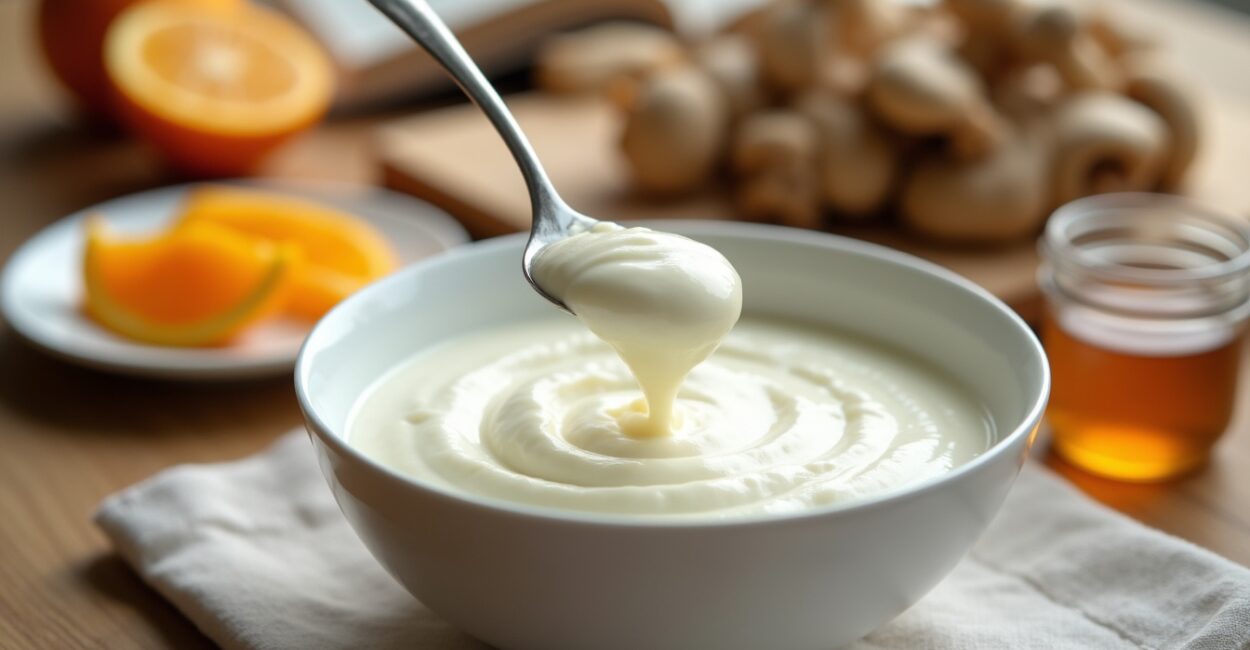
Probiotic yogurt provides live cultures that support gut microbiota balance, essential for immune education and reduced inflammation.
Other fermented foods like kefir and kimchi add diversity to your microbiome and supply vitamins and organic acids for gut health.
Vitamins, mushrooms, and citrus
Orange slices deliver vitamin C and flavonoids that support white blood cell function and collagen for barrier integrity.
Shiitake mushrooms, rich in beta-glucans, stimulate innate immunity and add savory depth to broths and stews.
- Probiotic yogurt — morning spoonful
- Orange slices — snack or salad topper
- Shiitake mushrooms — add to soups
Practical Meals That Boost Defenses
Breakfast boosts
Start with probiotic yogurt, a drizzle of honey, and citrus segments for a bright, gut-friendly morning that supports immunity.
This combo supplies live cultures, vitamin C, and polyphenols to prime digestion and antioxidant protection before your day begins.
Comforting soups and mains
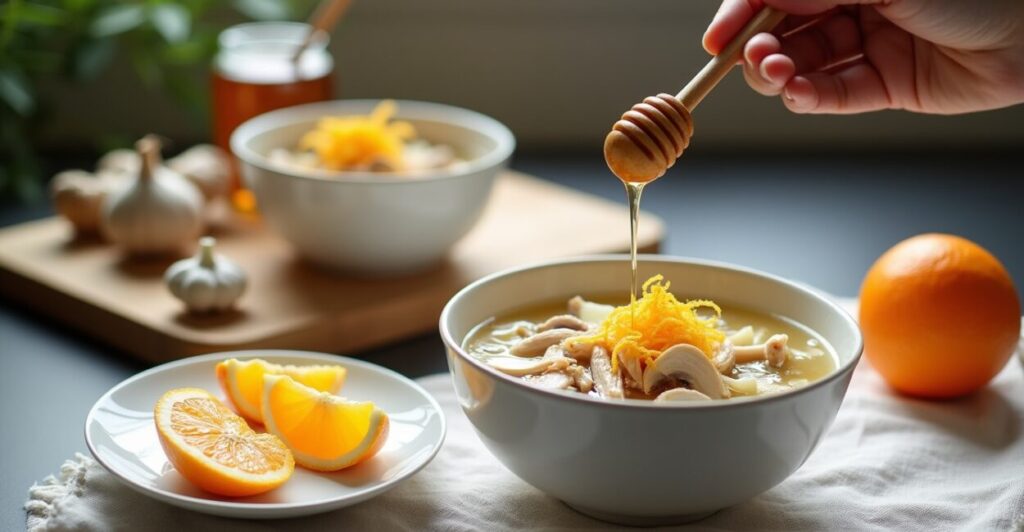
Make a shiitake-rich chicken or vegetable soup with garlic, ginger, and orange zest for immune-boosting aroma and nutrients.
Such broths hydrate, deliver minerals, and concentrate immune-supportive compounds into an easy-to-digest meal for recovery days.
How To Shop And Store Immune Foods
Smart shopping tips
Choose plain probiotic yogurt with live cultures and minimal sugar; pick firm shiitakes and ripe oranges with fragrant skin.
Look for labels indicating specific probiotic strains and harvest dates to ensure potency and freshness for immune support.
Storage and preparation
Store probiotic yogurt refrigerated and consume by the use-by date to preserve live cultures and benefit from maximal efficacy.
Freeze extra orange slices for smoothies, and keep dried shiitake caps in an airtight container away from light and humidity.
| Food | Key Immune Nutrients | Quick Use |
|---|---|---|
| Probiotic yogurt | Live cultures, protein | Spoonful at breakfast; smoothies |
| Orange slices | Vitamin C, flavonoids | Snack, salad, zest |
| Shiitake mushrooms | Beta-glucans, B vitamins | Soups, stir-fries, broths |
- Buy labeled live-culture yogurt.
- Choose ripe, fragrant citrus.
- Pick whole mushrooms, not pre-sliced.
Daily Habits To Maximize Benefit
Simple routine changes
Add a daily serving of probiotic yogurt and an orange segment to your routine to maintain consistent nutrient exposure and gut support.
Consistency matters more than occasional megadoses; steady intake of immune foods fosters durable microbiome and nutrient status.
Combine for synergy
Pair vitamin C with iron-rich foods for better absorption, and include fermented items alongside fiber to feed beneficial bacteria.
These combinations boost nutrient bioavailability and amplify immune signaling compared to isolated foods alone.
Recipes And Quick Preparations
Immune-boosting soup
Sauté garlic and ginger, add shiitake mushrooms and chicken broth, finish with orange zest for a bright, restorative bowl.
This soup delivers hydration, beta-glucans, and vitamin C, and warms both body and spirit on low-energy days.
Five-minute yogurt bowl
Layer probiotic yogurt with orange slices, toasted nuts, and a sprinkle of cinnamon for a satisfying, nutrient-rich snack.
It’s portable, quick, and delivers live cultures, vitamin C, healthy fats, and antioxidants in one simple bowl.
- Grab a bowl and add probiotic yogurt.
- Slice an orange and arrange segments on top.
- Sprinkle with toasted nuts and seeds.
- Drizzle with honey if desired; enjoy immediately.
Evidence, Safety, And When To See A Doctor
What the studies show
Clinical trials indicate probiotics can reduce respiratory infection duration, while vitamin C modestly shortens symptom length in some groups.
Dietary patterns rich in fruits, vegetables, and fermented foods correlate with lower inflammation and improved immune markers in observational studies.
Safety and interactions
Most immune foods are safe for healthy people, but immunocompromised individuals should consult clinicians before high-dose probiotics or supplements.
Discuss medications and conditions with your healthcare provider to avoid interactions and ensure personalized, safe recommendations.
- Consult your clinician if you are immunocompromised.
- Monitor for allergies to mushrooms or dairy.
- Prefer food-first strategies; supplement when advised.
Conclusion
Immune foods—probiotic yogurt, orange slices, shiitake mushrooms, and similar choices—offer accessible, evidence-informed ways to strengthen defenses and feel more resilient.
Start small, stay consistent, and enjoy the flavors and comfort these foods bring; your daily plates can become tools of protection and pleasure.
Faq
Which immune foods should I eat daily for the best effect?
Daily choices like probiotic yogurt, citrus fruits, and mushrooms provide consistent live cultures, vitamin C, and beta-glucans. Pair them with fiber-rich vegetables and whole grains to support gut health and steady nutrient intake. Consistency matters: small daily servings typically yield more reliable benefits than intermittent large doses.
Can probiotic yogurt actually prevent colds and flu?
Probiotic yogurt can reduce the duration and severity of some respiratory infections by supporting gut-associated immune responses. It’s not a guaranteed prevention, but regular consumption may lower risk and improve recovery time when combined with overall healthy habits like sleep and vaccination.
How should I add shiitake mushrooms to soups for immune support?
Slice shiitakes and simmer them in broths for at least 20 minutes to extract beta-glucans and flavor. Combine with garlic, ginger, and vegetables for added nutrients. Use both stems and caps; rehydrate dried shiitakes to intensify umami and immune compounds in your soup base.
Are there risks to eating a lot of immune-boosting foods?
Generally, these foods are safe in typical culinary amounts. Excessive supplementation or concentrated extracts can cause interactions or side effects, especially for those with immune conditions, allergies, or on certain medications. Always consult a healthcare provider for high-dose regimens or if you have medical concerns.
Where can I find reliable information on immune foods and supplements?
Trust authoritative sources like health institutions and university research centers for evidence-based guidance. Look for peer-reviewed studies and clinical guidelines, and discuss personalized recommendations with a registered dietitian or physician to align with your health needs and medications.
Further reading: Centers for Disease Control and Prevention on nutrition and immune health (CDC), and Harvard T.H. Chan School of Public Health on immune-supportive foods (Harvard T.H. Chan).