

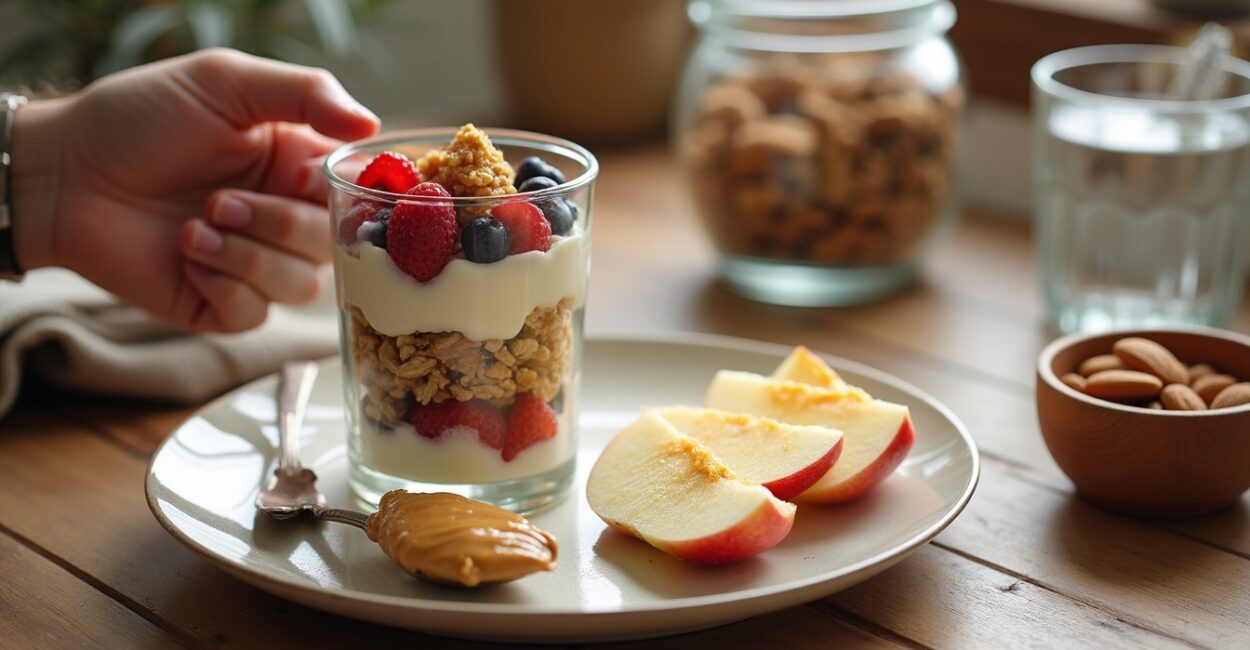
Imagine a mid-afternoon slump evaporating the moment you bite into a crunchy, satisfying treat that actually fuels your focus. Healthy snacks can be that tiny ritual that transforms fatigue into steady energy and mood stability.
With hectic schedules and endless temptations, choosing snacks that boost energy, stabilize blood sugar, and support long-term health matters more than ever. This guide explores smart, portable options like almonds, yogurt parfaits, and apple slices with peanut butter, and explains why they work.
Read on to discover practical snack swaps, quick recipes, and evidence-based tips that make healthy snacks irresistible—not just sensible. You’ll walk away with easy routines and snack combinations that keep you energized and joyful.
Why Healthy Snacks Actually Change Your Day
Healthy snacks are small nutritional investments that prevent energy crashes and overeating at meals. They combine protein, fiber, and healthy fats to sustain alertness and mood through busy days.
Choosing the right snack can improve concentration, support metabolism, and keep blood sugar steady. Think portable protein, crunchy fiber, and smart carbs to beat the lull without the guilt.
What makes a snack “healthy”
A healthy snack balances macronutrients: protein for satiety, fiber to slow digestion, and fats for long-lasting energy. Minimally processed ingredients perform best.
Portability and portion control matter too—single-serve nuts, Greek yogurt, or fruit with nut butter are perfect examples that fit into any routine.
How snacks affect energy and focus
Steady glucose from balanced snacks prevents sharp rises and falls that cause fatigue. Protein and healthy fats maintain neurotransmitter production for clearer thinking.
Regular, thoughtful snacking keeps hunger in check and reduces cravings for sugary, low-nutrient choices that disrupt productivity and mood.
Quick Energy-Boosting Snack Ideas To Keep In Your Bag
Stocking up on a few go-to healthy snacks reduces decision fatigue and ensures you stay energized between meals. Almonds, yogurt parfaits, and apple slices with peanut butter are simple, reliable choices.
These snacks require minimal prep and travel well, offering a mix of protein, fiber, and healthy fats to sustain energy until your next meal.
Top grab-and-go options
Raw almonds, pumpkin seeds, and single-serve Greek yogurt are nutrient-dense and filling. They combine crunch and creaminess for satisfying variety.
Pair fruit with a protein source—banana with almond butter or apple slices with peanut butter—to balance quick carbs with lasting energy.
Smart pantry staples
Keep canned chickpeas, nut butters, whole-grain crackers, and dried fruit for fast assembly of energy-rich snacks. They help create savory or sweet options.
Pre-portion nuts and seeds into small containers for easy reach-and-eat servings that prevent overindulging while maintaining energy levels.

Snack Combos That Stabilize Blood Sugar And Mood
Combining fiber, protein, and healthy fat slows digestion, reduces cravings, and steadies blood sugar—key for sustained energy and better mood. Thoughtful pairings matter more than calories alone.
Simple combos like yogurt parfaits with berries, hummus with veggie sticks, or apple with peanut butter are powerful yet gentle on your system.
High-protein pairings
Cottage cheese with sliced peach or Greek yogurt with chia seeds becomes a satiating treat that supports muscle repair and cognitive clarity.
Jerky made from lean meat or roasted edamame are excellent portable sources of protein for longer energy bursts without sugar spikes.
Fiber-forward pairings
Whole-grain crackers with avocado or pear with a handful of walnuts supply fiber and healthy fat, slowing glucose release into the bloodstream.
Oat-based bars (low added sugar) combined with a boiled egg create a nutrient-dense pause that powers afternoon productivity.
Simple Recipes And A Step-By-Step Snack Prep Routine
Preparing snacks ahead saves time and reduces impulsive choices. A short routine once or twice weekly makes healthy snacks effortless and visually appealing.
Follow these quick steps to build prepped snacks that travel, satisfy, and deliver steady energy throughout busy days.
Yogurt parfait assembly
Layer plain Greek yogurt, fresh berries, and a sprinkle of granola or crushed nuts for texture. Use mason jars for easy transport and portion control.
Add a teaspoon of honey or cinnamon to enhance flavor without excessive sugar. This parfait provides protein, probiotics, and antioxidants.
Prep routine that saves time
Set aside 20–30 minutes to portion nuts, slice fruit, and assemble jars. Label containers by day to streamline mornings and avoid decision fatigue.
Store perishable items at the front of the fridge so you’ll grab them first. Keep nonperishables in a visible pantry zone for quick access.
Portable Options, Storage Tips, And Portion Control
Choosing the right containers and practicing portion control prevents overeating and keeps snacks fresh. Glass jars, BPA-free containers, and silicone bags are ideal.
Understand serving sizes—an ounce of nuts, half a cup of yogurt, or one medium apple—so snacks remain effective for energy without excess calories.
Best containers for freshness
Leak-proof jars maintain parfait layers; small reusable silicone bags keep sliced fruit crisp. Use clear containers to see contents quickly and reduce waste.
Insulated lunch bags and a small ice pack are perfect for dairy-based snacks like yogurt parfaits to stay safe and tasty for hours.
Portion guidance
Measure snacks into single-serve portions weekly. Use a kitchen scale initially, then trust visual cues: handfuls, small cups, or jars become reliable measures.
Portion control protects energy balance and prevents late-afternoon calorie binges that can derail sleep and recovery.
Nutrition Science Behind Lasting Energy
Scientific evidence shows snacks with protein, fiber, and healthy fats blunt blood sugar spikes and support sustained cognitive performance. Micronutrients also play a role.
Choosing nutrient-dense snacks improves satiety hormones and supports steady energy, reducing reliance on sugary or highly processed convenience options.
How macronutrients affect energy
Protein slows digestion and supports neurotransmitter production. Fats provide long-term fuel, while fiber slows glucose absorption, preventing crashes.
Combining these macronutrients creates a balanced energy release that supports concentration and physical stamina throughout the day.
Key micronutrients to target
Magnesium, iron, and B vitamins are vital for energy metabolism. Snacks like almonds, yogurt, and seeds contribute these nutrients in convenient forms.
Including colorful fruits and vegetables in snacks ensures antioxidant intake, which supports recovery and brain health over time.
Snack Swaps And Habits For Long-Term Success
Simple swaps—replacing chips with roasted chickpeas or candy with fruit plus nuts—help build sustainable habits. Consistency beats perfection when improving energy and wellbeing.
Ritualize snack times to align with natural dips, like mid-morning and mid-afternoon, turning healthy snacks into predictable boosts rather than impulsive choices.
Small swaps with big impact
Swap sugary bars for a banana with almond butter, or replace soda with sparkling water and a handful of nuts. These swaps dramatically reduce sugar and empty calories.
Prepare a snack drawer at work to avoid vending machines. Visible, healthy options make the better choice the easy choice.
Make snacking a mindful habit
Eat without screens for five minutes to notice fullness cues and satisfaction. Mindful snacking reduces overeating and increases enjoyment.
Plan snack windows around activity—before a workout for fuel or after to aid recovery—so snacks serve a clear purpose in your day.
Conclusion
Healthy snacks like almonds, yogurt parfaits, and apple slices with peanut butter can transform energy, focus, and mood when chosen with intention. Small, consistent swaps lead to big improvements.
Return to the image of that mid-afternoon boost: with a handful of prepared snacks and a simple routine, you’ll reclaim energy and joy in your busiest hours.
Faq
What are the best portable healthy snacks for all-day energy?
The best portable healthy snacks combine protein, fiber, and healthy fats to maintain steady energy. Think a small bag of almonds, a Greek yogurt cup, or apple slices with peanut butter. These options travel well, require minimal prep, and reduce the likelihood of sugar crashes later in the day. Aim for portioned servings—about one ounce of nuts, half a cup of yogurt, or one medium apple with one to two tablespoons of nut butter. These choices support satiety and cognitive clarity between meals.
How often should I snack to prevent energy crashes?
Snack timing varies, but a common pattern is a mid-morning snack and a mid-afternoon snack between main meals. This spaced approach helps stabilize blood sugar and prevents overeating at the next meal. Choose balanced snacks with protein and fiber to stay satisfied. If you exercise, a pre- or post-workout snack is beneficial. Listen to hunger cues and adjust frequency based on activity level and meal composition, aiming to avoid long gaps that lead to energy dips and poor food choices.
Can healthy snacks help with weight management?
Yes—thoughtful healthy snacks can support weight management by preventing extreme hunger and reducing binge episodes. Snacks that include protein and fiber increase satiety and help control portion sizes at meals. Pre-portion snacks and practice mindful eating to avoid consuming excess calories. Combine snacks with overall balanced meals and regular activity for best results. Healthy snacks become tools for steady energy and better choices rather than obstacles when integrated into a consistent daily routine.
Are store-bought snack bars a good option for energy?
Some store-bought bars are useful, but quality varies widely. Look for bars with whole-food ingredients, minimal added sugars, and a balance of protein, fiber, and healthy fats. Avoid bars high in sugar or refined carbs that can trigger crashes. Check labels for ingredient transparency and choose options with nuts, seeds, oats, and dried fruit. Homemade bars or simple pairings like fruit with nut butter often provide better nutrition and cost-efficiency while delivering steady energy without excessive additives.
How do I make snacks that support better sleep and recovery?
Choose snacks with a mix of complex carbs and protein in the evening if needed, like Greek yogurt with berries or banana with almond butter. Include magnesium-rich foods—nuts and seeds—to support relaxation. Avoid high-sugar and high-caffeine snacks close to bedtime. Timing matters: eat lighter, balanced snacks an hour or two before bed rather than heavy meals. Hydration and consistent meal timing throughout the day also improve sleep quality and recovery over time.
Sources: Harvard Health, NHS, and USDA.