

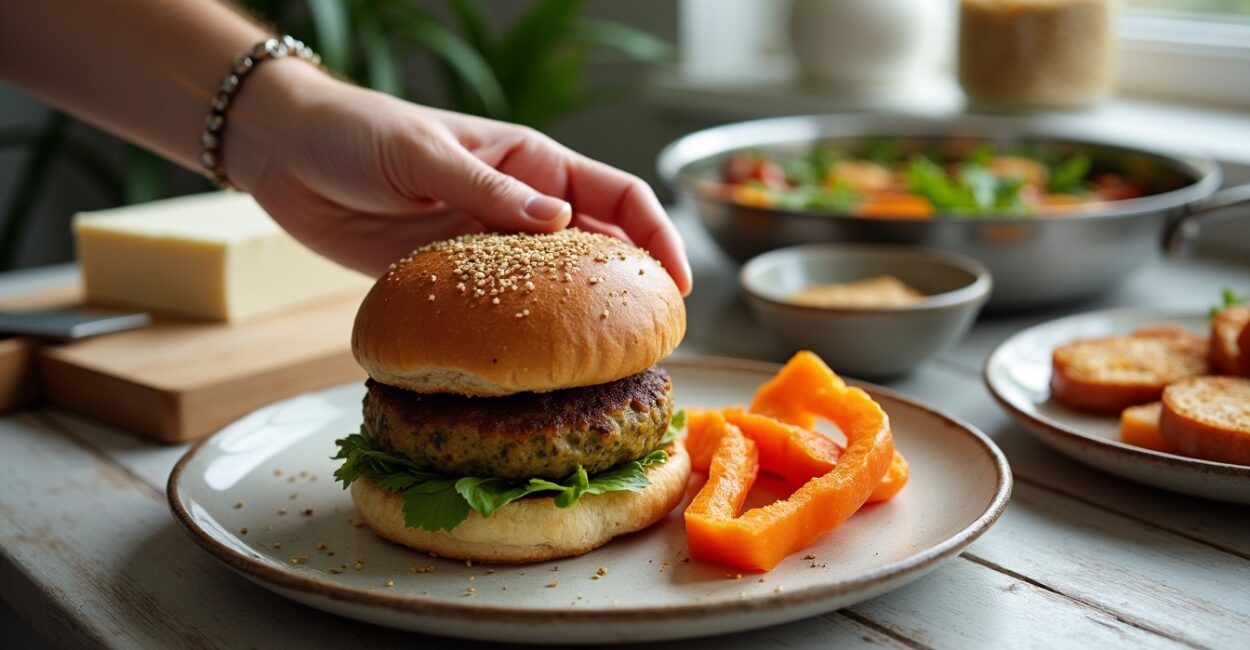
Curious why plant-based choices like tofu, tempeh and pea burgers are suddenly reshaping plates worldwide? This trend answers a simple demand: healthier meals, ethical food production and lower environmental impact. The piece explains what plant-based means, why it matters now, and how to make the swap without losing flavor or satisfaction.
As the world rethinks proteins, plant-based options are shifting menus in homes, restaurants and supermarkets. Rising interest in nutrition, climate-friendly diets and culinary innovation drives this shift; we’ll explore practical swaps, nutrition, top products and recipes you can try today.
Read on to discover actionable swaps, quick cooking tips and the science behind plant-based proteins—so you can confidently reshape your plate and enjoy food that feels as good as it tastes.
Why plant-based protein is changing how we eat
Plant-based protein has moved from niche to mainstream because it combines nutrition, sustainability and culinary creativity. Consumers seek alternatives that deliver texture, protein and familiar flavors without the animal footprint.
Shoppers now want options that support health, reduce greenhouse gases and align with ethical concerns. Restaurants respond with tempeh tacos, tofu stir-fries and pea-based burgers that rival meat in satisfaction.
Health and nutrition benefits
Plant-based proteins offer fiber, vitamins and lower saturated fat, supporting heart health and weight management. Beans, lentils and soy deliver essential amino acids when combined thoughtfully.
Replacing some animal proteins can reduce cholesterol and increase nutrient diversity. Integrated plant proteins like tofu and tempeh strengthen diet quality with minimal effort.
Environmental and ethical impact
Choosing plant-based options reduces water use, land demand and emissions linked to animal farming. Small swaps—like a pea burger for one meal—compound into meaningful climate benefits.
Ethical motivations—animal welfare and food justice—also drive people toward plant-focused plates. The result is a culinary movement balancing taste with responsibility.
Top plant-based protein swaps that actually satisfy
Swap animal proteins for plant-based options such as tofu, tempeh and pea burgers to keep texture and umami. These swaps satisfy cravings and simplify meal planning.
Below are practical, flavorful swaps you can implement this week to make your plate greener and more adventurous.
Everyday alternatives to replace meat
Replace ground beef with seasoned pea burgers or lentil mince in tacos and pasta sauces for similar texture and protein. Use crumbled tofu in chili recipes for a neutral base.
Chicken can be swapped for marinated tempeh or jackfruit in sandwiches and salads, providing chew and absorbent flavor without the animal base.
Simple dairy and egg alternatives
Use silken tofu or blended chickpeas as egg substitutes in scrambles and baking. Nutritional yeast and soy yogurt replace cheese tang in many recipes.
These simple switches keep meals familiar while lowering saturated fat and adding fiber and micronutrients.

Cooking techniques to make plant-based proteins shine
Mastering texture is the secret to loving plant-based proteins: press tofu, steam then sear tempeh, and crisp pea burgers on a hot skillet. Season boldly and layer textures for satisfaction.
Technique transforms humble ingredients into craveable dishes—think caramelized edges, smoky marinades and crunchy toppings that mimic the pleasures of meat-based meals.
Texture tricks chefs use
Pressing tofu removes water for firmer results and better browning. Freeze-thawing tofu creates a meatier bite ideal for stews and grills.
Marinating tempeh softens bitterness and infuses it with bold flavor. Quick pan-searing or baking adds the crust that makes plant-based proteins appealing.
Flavor layering for maximum appeal
Use umami sources—soy sauce, miso, mushrooms and nutritional yeast—to deepen flavor. Acid and heat balance richness and brighten plant-based dishes.
Smoky spices, roasted aromatics and finishing oils make pea burgers and tofu irresistibly savory, bridging the gap between plant and animal textures.
Practical meal ideas and a featured-step recipe
Transform dinners with a handful of swaps: tofu stir-fry, tempeh grain bowls and a showstopping pea burger. Below is a quick, featured-step routine to create a fast, flavor-packed plant-based burger.
Follow this order to craft a balanced, satisfying meal that highlights plant-based protein without fuss.
Featured quick recipe approach
Use a premade pea burger patty, toast a bun, add pickles, greens and a zesty sauce for a satisfying meal in minutes. This method prioritizes texture and contrast.
Finish with a side of roasted sweet potato wedges or a crisp slaw to round out nutrients and flavor.
Step-by-step: Build a craveable pea burger (4 steps)
- Season and pan-sear the pea burger on high heat until golden on both sides.
- Toast the bun lightly with a smear of plant-based mayo.
- Layer greens, tomato, pickles and the seared patty; add cheese alternative if desired.
- Drizzle sauce, press lightly and serve immediately with a crunchy side.
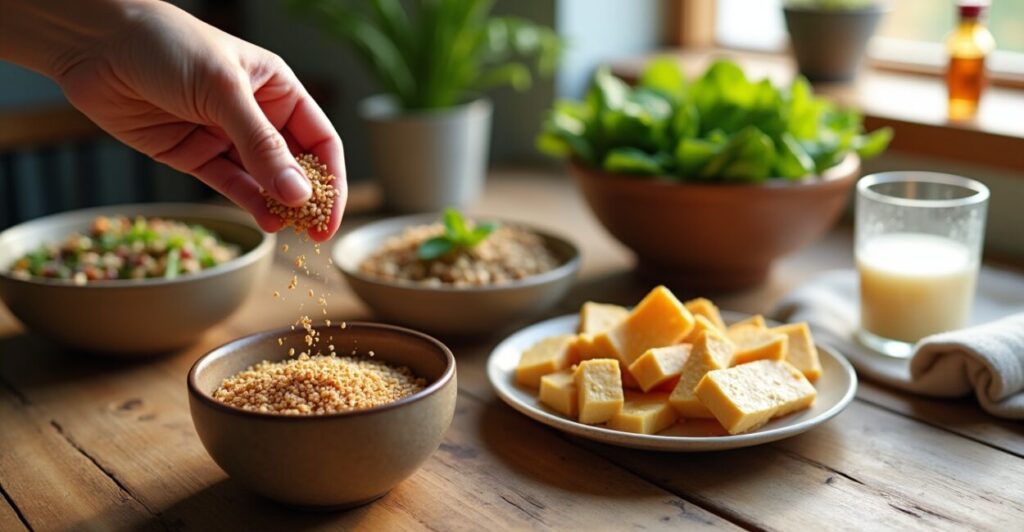
Nutrition facts: protein, amino acids and micronutrients
Plant-based proteins provide robust nutrition when varied: legumes, soy, nuts and seeds complement grains to form complete amino acid profiles. Fortified products add vitamin B12 and iron.
Understanding how to combine foods ensures your plant-based meals meet daily protein and micronutrient needs without reliance on supplements for most people.
Balancing amino acids and protein intake
Mix grains with legumes—rice and beans, or quinoa and chickpeas—to deliver complete proteins. Regularly include soy, tempeh and seitan for concentrated protein sources.
Track portion variety rather than obsessing over single meals; diverse plant-based diets reliably meet protein targets for most adults.
Micronutrients to watch and how to get them
Pay attention to iron, B12 and omega-3s. Eat leafy greens, fortified milks and include flaxseed or algae-based omega supplements if necessary.
Routine blood tests and guidance from a registered dietitian ensure individualized planning and safe long-term plant-based transitions.
Market trends, products and where to buy
The plant-based aisle now features innovation: pea protein burgers, smoked tempeh, high-protein tofu and versatile dairy alternatives. Retailers and foodservice innovate to meet demand.
Look for products with simple ingredient lists and clear protein content to make informed purchases that align with taste and nutrition goals.
What’s trending in retail and restaurants
Pea protein and fermented soy products lead in R&D, offering meat-like textures and savory profiles. Restaurants expand plant-based menus to appeal to flexitarians and vegans alike.
New launches prioritize sustainability claims, allergen-friendly formulations and culinary versatility to capture mainstream shoppers.
Where to buy and what to look for
Find quality products at mainstream grocers, specialty stores and online marketplaces. Read labels for protein per serving and added ingredients like sodium or fillers.
Choose minimally processed options when possible; prioritize brands transparent about sourcing and nutrition. Try small-format purchases before committing.
How to transition: practical tips and habits that stick
Start small—swap one meal per week for a plant-based alternative, then scale. Keep favorite flavors and textures to ease change and build confidence.
Consistency matters more than perfection. Simple routines—meal prepping, learning a couple of go-to recipes and stocking staple ingredients—make plant-based living sustainable.
Easy habits to adopt
Plan two plant-based dinners weekly, batch-cook grains and legumes, and keep a high-quality tofu or tempeh on hand for quick meals. Rotate recipes to avoid boredom.
Invite friends to try your creations; social meals reinforce habits and reveal tasty possibilities that stick long term.
Common pitfalls and how to avoid them
Don’t rely on overly processed alternatives every day—balance with whole-food legumes, grains and vegetables. Monitor sodium and added fats in convenience products.
Seek guidance from credible sources and consider a dietitian if changing drastically; gradual changes reduce cravings and nutrient gaps.
Conclusion
Plant-based swaps—like tofu, tempeh and pea burgers—are more than a trend: they reshape plates toward better health, lower environmental impact and vibrant flavors. Small, intentional changes lead to meaningful results.
Return to the opening question: swapping animal proteins can satisfy cravings and values simultaneously. Embrace experimentation, cook boldly, and let plant-based choices surprise you with their variety.
FAQ
Is switching to plant-based protein healthier than eating animal protein?
Many people experience health benefits when increasing plant-based protein—lower saturated fat, more fiber and improved cholesterol—but outcomes depend on overall diet quality. Whole-food legumes, soy and nuts offer vitamins and minerals absent in processed alternatives. Balance, variety and attention to nutrients like B12, iron and omega-3s are key to a healthy transition, and consultation with a registered dietitian helps tailor changes to individual needs and medical conditions.
Can I get enough protein on a plant-based diet?
Yes—most adults meet protein needs with thoughtful plant-based meals. Combine legumes, whole grains, soy products and nuts across the day to ensure complete amino acid profiles. Many plant-based products provide concentrated protein per serving, and simple planning—such as adding beans to salads and choosing tempeh or pea burgers—maintains adequate intake for active lifestyles without relying on supplements in most cases.
How do plant-based swaps affect the environment compared to meat?
Shifting from animal proteins to plant-based options typically reduces greenhouse gas emissions, land use and water consumption. Legumes and grains require fewer resources than livestock, and scaled adoption amplifies benefits. Consider the full supply chain—processing and transport can alter impact—so favor minimally processed, locally sourced plant foods when possible to maximize environmental gains and support sustainable agriculture.
Are plant-based meat alternatives healthy or highly processed?
Plant-based meat alternatives vary widely: some are minimally processed whole-food blends, while others are engineered products with additives. Read labels for protein content, fiber, sodium and ingredient transparency. Use these products strategically—especially if they replace high-sodium or high-fat options—and balance them with whole legumes, vegetables and grains for optimal nutrition and reduced intake of processed components.
What are simple swaps for someone starting a plant-based diet?
Begin with familiar swaps: use tofu or tempeh instead of chicken in stir-fries, lentils in place of ground beef for tacos, and pea burgers for burger nights. Incorporate beans into soups and salads, choose fortified plant milks, and experiment with marinades and spices to retain comfort flavors. Gradual changes—one meal at a time—make the shift enjoyable and sustainable without sacrificing taste or satisfaction.
Further reading: Harvard T.H. Chan School of Public Health — Protein and FAO — Plant-based foods overview.