

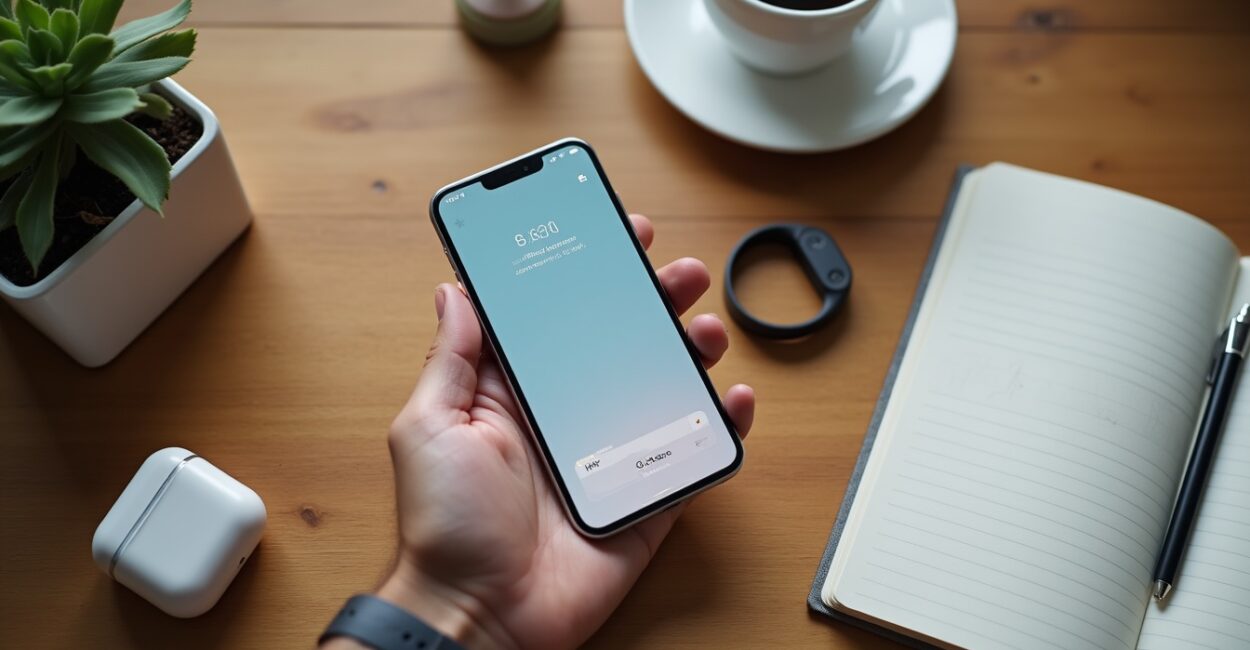
Mindfulness trends are reshaping how we pause, breathe and recover in a noisy world. From micro-meditations to wearable biofeedback, this wave is practical, data-driven and deeply human.
As attention shrinks and stress rises, mindfulness trends matter because they meet people where they are: short sessions, personalized metrics and tech that guides calm. This article explores 2025 shifts, scientific backing, and real-life tools.
You’ll discover emerging practices like micro-meditations, HRV wearables, practical routines and evidence-based tips to try today—designed for mobile readers seeking quick, credible wins.
Micro-meditations: tiny pauses, big impact
What micro-meditations are
Micro-meditations are short intentional breaks lasting 30 seconds to five minutes. They use breath, body scans and focused attention to reset cognition and mood quickly.
These brief practices fit commutes, coffee breaks and work sprints, boosting focus and emotional regulation without a lengthy session or special environment.
Why they work now
Short attention spans and high stress make micro-meditations practical. They integrate with notifications, calendar prompts and wearable cues to create habitual calm.
Studies link brief practices to lowered cortisol and improved concentration, showing micro-meditations can complement longer sits and formal meditation courses.
Biofeedback wearables and HRV: data that calms
Wearables tracking HRV
Wearables like Fitbit now provide heart rate variability (HRV) insights, delivering real-time biofeedback to guide breathing and recovery. HRV signals stress and resilience.
Users get actionable prompts, guided breathing and session summaries. Integrating HRV data makes mindfulness measurable and personalized for daily habits.
Evidence behind biofeedback
Recent trials show HRV-guided breathing reduces perceived stress and supports sleep quality. Controlled studies in 2023–2025 highlight measurable autonomic benefits.
Biofeedback’s strength is objective feedback—people learn what calms them physiologically, improving adherence to mindfulness practices over time.
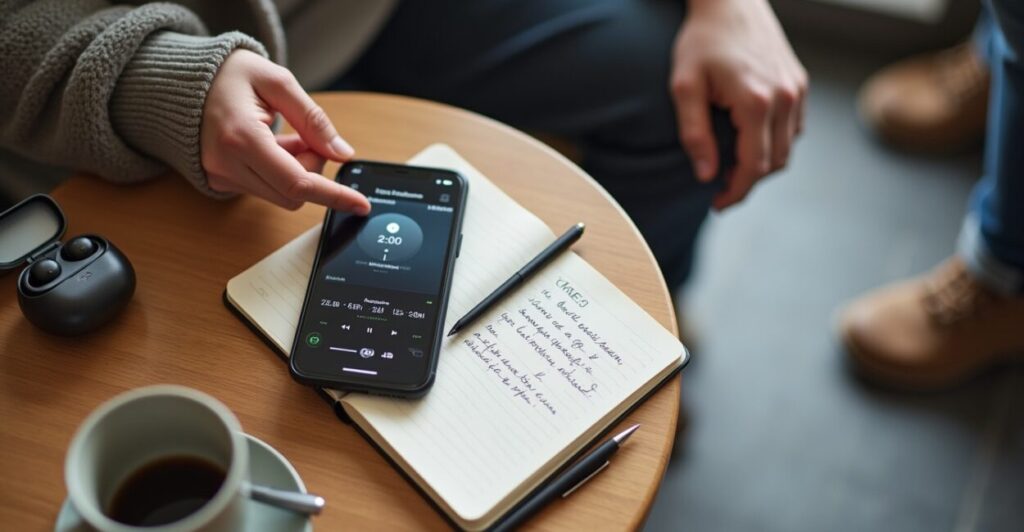
Guided micro-practices for busy lives
Practical routines that stick
Guided micro-practices package breathwork, visualization and sensory checks into short audio or haptic sequences. They’re crafted for quick adoption during hectic days.
These practices often appear in apps, podcasts and wearables, using cues and progressive challenges to maintain engagement and measurable progress.
Design for habit formation
Behavioral design uses reminders, rewards and micro-goals to create durable routines. Short guided sessions reduce friction and celebrate small wins.
Pairing micro-practices with context triggers—like walking or waiting—turns them into automatic responses that lower stress over time.
Integration of AI and personalization
Personalized coaching and recommendations
AI analyzes sleep, activity and HRV to suggest tailored mindfulness exercises. It adapts intensity, timing and duration for individual stress patterns.
Personalization improves relevance, reducing drop-off. When suggestions fit a person’s day, mindfulness becomes a natural support, not a chore.
Privacy and ethical design
Collecting physiological data requires transparent policies, secure storage and user control. Ethical AI design keeps users informed and in charge.
Trustworthy apps explain data use, offer opt-outs and prioritize anonymized models to balance personalization with user dignity and safety.
Workplace adoption and clinical partnerships
Corporate wellness evolution
Companies increasingly fund micro-meditation breaks, HRV screenings and guided sessions to reduce burnout and improve productivity. Mindfulness trends now target teams, not just individuals.
Programs blend digital tools with human-led training, creating scalable mental health ecosystems that track outcomes and ROI for employers.
Healthcare collaborations
Clinical trials pair mindfulness interventions with wearables to study anxiety, chronic pain and sleep. Partnerships between labs and app makers strengthen evidence and credibility.
These collaborations move mindfulness from lifestyle to adjunctive therapy, with protocols that integrate clinician oversight and measurable endpoints.
Tools, apps and a quick start routine
Essential tools to try
Top tools include HRV-capable wearables, short guided-session apps and haptic reminder bands. These products make practice effortless and track progress over time.
Try combining a wearable’s prompts, a five-minute guided audio and context triggers like stretching or walking to create a reliable micro-meditation habit.
Step-by-step quick routine
- Pause and breathe deeply for 30 seconds.
- Check HRV or breathing cue on your wearable.
- Follow a one-to-three minute guided audio.
- Record your mood or HRV briefly in the app.
- Repeat twice daily after predictable triggers.
This routine uses immediate feedback and repetition to build calm into daily rhythms, blending tech and practice for measurable benefit.
Comparing methods: what the evidence says
Short-term benefits and metrics
Research shows micro-sessions reduce subjective stress and improve attention on the same day. HRV increases and cortisol dips appear in short-term studies.
Objective metrics help refine practices: when HRV rises after guided breathing, users see direct physiological proof of effectiveness.
Long-term outcomes and research gaps
Longitudinal studies are emerging but still limited. Researchers call for larger trials to test durability, clinical outcomes and optimal dose of micro-practices.
As more trials publish in 2024–2025, practitioners expect clearer protocols and evidence-based integration into healthcare and workplace models.
Conclusion: adoptable, measurable calm for 2025
Mindfulness trends in 2025 emphasize tiny habits, measurable feedback and ethical personalization. They transform vague intentions into small, consistent actions that show results.
Return to the opening image: a brief breath, a wearable prompt, a calmer moment. These innovations make mindful living accessible, credible, and deeply human.
FAQ
How effective are micro-meditations for reducing stress?
Micro-meditations offer immediate stress relief and improved focus by triggering relaxation responses within minutes. Studies report short-term reductions in perceived stress and physiological markers like heart rate. Daily repetition builds resilience, and combining micro-sessions with HRV feedback increases adherence and measurable benefits over time.
Can wearables accurately measure HRV for mindfulness guidance?
Modern wearables provide reasonably accurate HRV estimates during rest, offering actionable trends rather than clinical-grade readings. When used consistently, they inform breathing exercises and recovery strategies, though clinical decisions should rely on validated medical devices and professional interpretation.
Are AI-personalized mindfulness programs safe and private?
AI personalization boosts relevance, but safety depends on transparent data practices and user control. Choose platforms with clear privacy policies, encryption, and options to anonymize or delete data. Ethical apps explain algorithms and avoid intrusive profiling while prioritizing user consent and security.
How do workplaces measure the ROI of mindfulness programs?
Employers track engagement, presenteeism, absenteeism, and employee surveys to estimate ROI. Combining objective metrics like HRV improvements with productivity and health outcomes helps quantify benefits, though long-term impact requires sustained participation and aligned organizational culture.
What research supports biofeedback-driven mindfulness in 2025?
Recent trials from 2022–2025 show HRV-guided breathing reduces perceived stress and enhances sleep quality. Ongoing randomized studies are expanding evidence for clinical applications, with early results indicating measurable autonomic improvement and better adherence to brief, personalized practices.
Sources: Fitbit HRV guides and device pages (Fitbit), and recent open-access research summaries on HRV and mindfulness in peer-reviewed journals (Nature).