

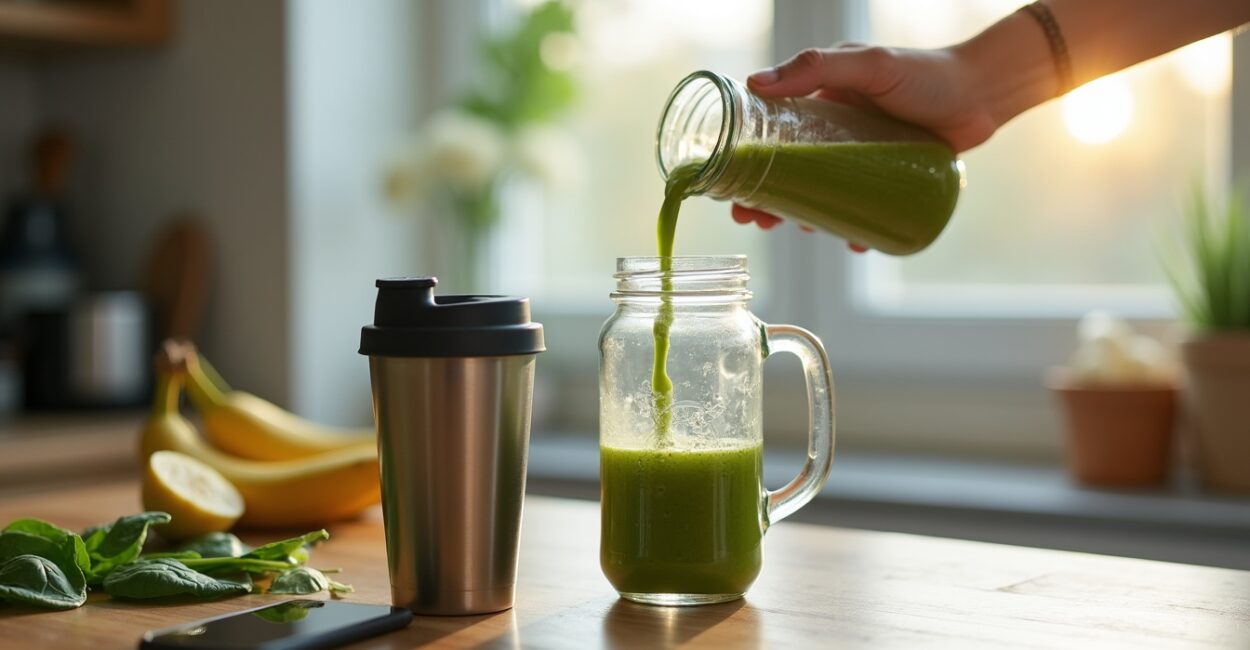
Breakfast smoothies can change rushed mornings into nourishing, energizing starts. They blend convenience, flavor and nutrients to fuel workdays, school runs or workouts with minimal cleanup and maximum impact.
With busy schedules and a hunger for health, quick recipes like a green smoothie with spinach, banana and protein powder provide fast on-the-go fuel before work. This guide shows why breakfast smoothies matter and how to make them satisfying, portable and nutrient-dense.
Read on to discover seven focused sections that cover recipes, meal prep, nutrition science, time-saving tips, swaps, shopping and safety—so you can leave the house full, focused and proud.
Why breakfast smoothies work so well for busy mornings
Breakfast smoothies replace fragmented meals with concentrated nutrition—protein, fiber and healthy fats in one sip. They meet hunger, boost energy and support cognitive focus before your commute.
Using whole fruits, leafy greens and a protein powder delivers balanced macronutrients and vitamins. This approach reduces mid-morning cravings, stabilizes blood sugar and helps sustain productivity at work.
Quick science behind blended breakfasts
Blending breaks down fiber just enough to speed digestion, releasing steady glucose and nutrients. That promotes a faster energy onset without the crash from sugary carbs.
Including protein powder slows absorption, supports muscle maintenance, and elevates satiety, helping you stay alert during morning meetings.
Why portability boosts consistency
Smoothies packaged in insulated bottles keep you consistent with breakfast routines. Convenience increases adherence to healthy habits over time.
Prep options like breakeven packs and freezer bags make mornings faster and ensure you’re not skipping nutrients on the go.
Core ingredients for balanced breakfast smoothies
Start with a base liquid, add greens, fruit, protein and healthy fats. That combo covers hydration, vitamins, fiber, amino acids and sustained energy.
Here are reliable building blocks to mix and match for flavor and nutrition in your breakfast smoothies.
Essentials for a nutritious base
Choose water, milk or plant milk for hydration. Each base changes texture and calories—use almond milk for creaminess and water for lighter blends.
Liquid choices influence nutrient density, so tailor them to hunger levels and calorie goals.
Protein, greens and healthy fats
Add protein powder, Greek yogurt or silken tofu to preserve muscle and drive satiety. Spinach and kale boost vitamins without overpowering taste.
Include nut butter, avocado or chia seeds for healthy fats that slow digestion and create a creamy mouthfeel.
- Use frozen fruit for icy texture and convenience.
- Rotate greens to avoid sensory fatigue.
- Pick unflavored protein to control sweetness and additives.

Recipes: quick, green and protein-packed options
Templates let you craft reliable breakfast smoothies in under five minutes. The signature: spinach, banana and protein powder for fast on-the-go fuel before work.
Below are simple formulas and variations to adapt to taste, allergies and time constraints.
Classic green protein smoothie
Blend 1 cup spinach, 1 banana, 1 scoop protein powder, 1 cup milk and ice. Drink immediately or store chilled for a short commute.
This combo balances carbs, protein and micronutrients for steady energy and easy digestion.
Berry banana booster
Swap spinach for mixed berries and add Greek yogurt for tang. It’s antioxidant-rich and slightly sweeter for sensitive palates.
Use frozen berries to thicken and chill without ice dilution.
Meal prep and time-saving strategies for mornings
Smart prep transforms breakfast smoothies from “maybe” to “daily.” Freeze pre-portioned fruit, pack greens and measure protein for frictionless blending.
Batch prep reduces decision fatigue, speeds the morning, and supports consistent nutrition across the week.
Freezer packs and assembly tips
Assemble individual servings in freezer bags: banana slices, berries, spinach and seeds. Label and stack for grab-and-blend convenience.
Pre-measured powder scoops and single-serve nut butter cups further streamline the routine.
Tools that matter
An efficient blender, a travel cup with secure lid and an insulated bottle are the most impactful investments for on-the-go breakfasts.
High-speed blenders yield smoother textures; personal blenders are compact and easy to clean for commuters.
- Choose ripe bananas and fresh greens.
- Assemble freezer packs with portions for 5–7 days.
- Scoop protein into small containers for quick access.
- Blend with liquid first, add solids, then ice for best texture.
- Pour into a spill-proof bottle and refrigerate until leaving.
Smart swaps, dietary adaptations and allergy-friendly options
Breakfast smoothies can fit vegan, gluten-free, dairy-free and low-FODMAP diets with simple swaps—plant protein, lactose-free milk and seed butters keep nutrition intact.
Adjust textures and sweetness by changing frozen fruit ratios and adding natural thickeners like oats or chia seeds.
Vegan and dairy-free swaps
Use pea or soy protein and oat milk to match the protein and creaminess of dairy versions. Add tahini or sunflower butter for fat and flavor.
Fortify with a daily multivitamin or B12 if using vegan-only sources for long-term balance.
Lower sugar and fiber-friendly tweaks
Choose low-sugar fruits like berries, reduce banana portions and use leafy greens to keep overall carbs moderate. Add protein to blunt glucose spikes.
For sensitive stomachs, peel apples and use cooked oats or gentle protein to ease digestion.
Nutrition breakdown: calories, macros and energy timing
Understanding macros helps you tailor breakfast smoothies for weight goals, energy needs and workout recovery. A balanced blend of protein, carbs and fat supports focus and endurance.
Timing matters: a protein-forward smoothie before a morning workout preserves muscle and fuels performance, while carb-emphasized blends aid high-intensity sessions.
Macro targets for different goals
Aim for 20–30g protein for muscle maintenance, 30–50g carbs for moderate energy, and 8–12g fats for satiety depending on activity.
Track portions to align calories with daily goals and adjust liquids to alter calorie density.
Hydration and micronutrients
Breakfast smoothies contribute to morning hydration—especially when made with water or milk. Spinach supplies iron and folate; citrus adds vitamin C to aid iron absorption.
Consider a pinch of salt after intense workouts to restore electrolytes and balance fluid retention.
Packaging, safety and sustainability for on-the-go smoothies
Choosing the right bottle, storing smoothies safely and minimizing waste keeps your routine healthy and eco-friendly. Reusable insulated bottles reduce spills and preserve temperature.
Follow safe handling to avoid spoilage: consume within 24–48 hours refrigerated, or freeze portions for longer storage.
Best bottles and lids
Select bottles with wide mouths for easy pouring and cleaning. Insulated stainless steel preserves chill and flavor for commuters.
Look for BPA-free plastics if choosing lightweight options for travel.
Storage safety and sustainability
Never leave perishable smoothie ingredients at room temperature over two hours. Freeze for longer-term storage and compost scraps to reduce waste.
Use reusable straws and glass bottles when possible to lower single-use waste and elevate ritualized mornings.
- Wash bottle and blender parts immediately after use.
- Freeze extra portions to avoid daily prep stress.
- Compost fruit peels and recycle packaging where available.
Conclusion: Breakfast smoothies are a practical, emotionally satisfying way to reclaim mornings. From the green spinach-banana-protein template to freezer packs, these drinks deliver flavor, focus and fuel. Start tomorrow morning with a prepared plan and a trusted bottle—your workday energy will thank you.
FAQ
How quickly should I drink a breakfast smoothie after blending?
Drink a breakfast smoothie within two hours if kept at room temperature or within 24–48 hours refrigerated for best freshness and safety. For optimal taste and nutrient retention, consume within a few hours of blending, especially when using fresh produce and dairy. Freezing individual portions immediately preserves nutrients and extends safe storage up to several weeks; simply thaw or blend frozen portions before leaving for work.
Can a green smoothie with spinach, banana and protein powder replace breakfast daily?
A green smoothie with spinach, banana and protein powder can replace breakfast daily if varied and balanced. Ensure you rotate fruits, include healthy fats like nut butter, and choose a complete protein to meet micronutrient needs. Occasionally swap in whole-food breakfasts for variety and broader nutrient coverage, and consult a dietitian if you have specific medical or caloric goals.
How do I keep a smoothie thick but drinkable on the go?
To keep a smoothie thick yet portable, use frozen fruit, Greek yogurt or avocado for creaminess and add a small amount of liquid—just enough for a pourable texture. Store in an insulated bottle to maintain temperature and prevent dilution from melting ice. For texture control during commute, tighten the lid and give the bottle a quick shake before drinking.
Which protein powder works best in breakfast smoothies?
Choose a protein powder based on dietary needs: whey for complete amino acids and fast absorption, pea or soy for vegan options, and blends for balanced profiles. Look for minimal additives, low sugar and a scoop that supplies about 20–30 grams of protein. Test unflavored varieties to control sweetness and ensure compatibility with fruits and greens.
Are there any safety concerns with blending raw spinach every day?
Daily raw spinach in smoothies is generally safe and nutrient-rich, but vary greens to avoid overexposure to oxalates if you have kidney stone risk. Wash spinach thoroughly to remove dirt and bacteria. Pair spinach with vitamin C sources like citrus to enhance iron absorption, and consult your healthcare provider if you have specific health conditions affecting nutrient processing.
External sources: Harvard T.H. Chan School of Public Health, NHS Eat Well, and USDA.