

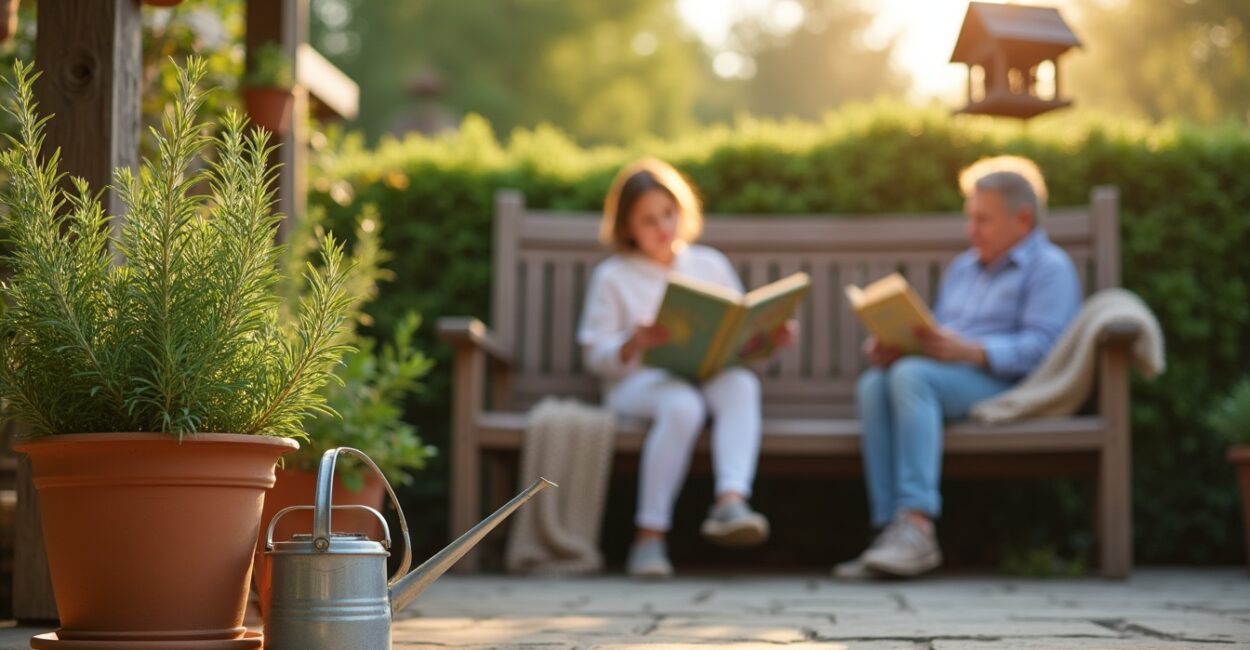
Relax in Garden means creating a small sanctuary where your senses soften, stress fades, and joy returns. It’s about designing moments of calm outdoors, accessible to families and individuals alike. This guide explains what relaxation in a garden looks like, why it matters, and how to build it step by step.
Today’s hectic routines make outdoor downtime essential for mental health, family connection, and childhood development. With simple elements like a sensory herb patch, an outdoor reading nook, or a DIY bird feeder, anyone can create meaningful yet low-maintenance spaces.
Read on to discover family-friendly activities, practical layouts, plant choices, and hands-on projects to help you relax in garden settings—ideas that work for small balconies, suburban yards, or community plots.
Designing a Calm Corner: layout and atmosphere
Create a dedicated spot to relax in garden spaces where sound, light, and scent invite lingering. Small changes can transform an overlooked corner into a restorative place.
Framing the space
Use low hedges, potted plants, or a simple trellis to define the area and block visual noise. Soft boundaries encourage stillness and privacy.
Think about scale and sightlines; position seating to face focal points like a bird feeder, water feature, or herb patch. This focus calms the eye and mind.
Lighting and mood
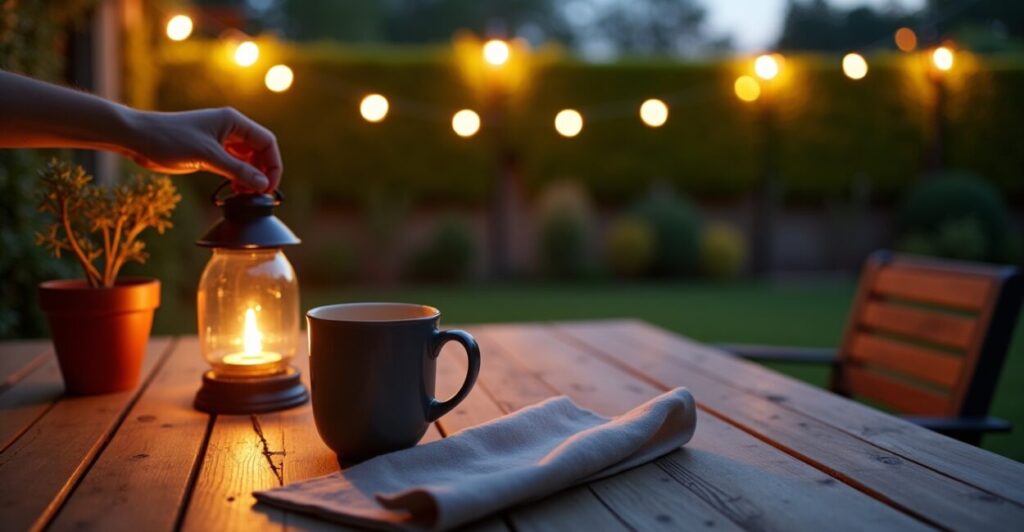
Layer soft lighting with solar stakes, string lights, or lanterns to extend calm into evenings. Warm tones feel more inviting than harsh white light.
Add reflective surfaces like a small mirror or a shallow bowl of water to amplify light and create gentle, moving highlights that soothe.
Family-friendly features for playful relaxation
Design activities that encourage curiosity and calm—sensory herbs, tactile pathways, and quiet play corners help families relax in garden afternoons. These features invite exploration without chaos.
Sensory herb patch
Plant mint, lemon balm, lavender, and thyme in a small raised bed or containers. Children can touch and smell for immediate sensory rewards.
Label each plant with fun signs and encourage gentle harvesting for teas or crafts to connect kids with nature and reduce screen time.
Outdoor reading nook
Create cozy seating with weatherproof cushions and a small shade structure. Keep a box of age-appropriate books to encourage family reading time outdoors.
Add a lightweight blanket and a small side table for drinks or craft supplies; the ritual of carrying items outside signals relaxation time.
- Choose durable, easy-care seating
- Provide shade for midday sun
- Include tactile elements like soft cushions or rugs
Mindful gardening activities that reduce stress
Simple, repetitive tasks—potting seedlings, deadheading flowers, or tending a herb bed—help families relax in garden routines. These chores become soothing rituals.
Planting with intention
Plan small, achievable projects for kids: sowing seeds, labeling rows, or transplanting seedlings build confidence and calm. Short tasks yield quick satisfaction.
Rotate seasonal mini-projects to keep interest high: bulb planting in autumn, seed-starting in spring, maintenance in summer—each invites focused presence.
Quiet maintenance rituals
Practice mindful watering: slow, deliberate movements while observing textures and smells. This simple act centers attention and reduces racing thoughts.
Use hand tools designed for comfort to avoid frustration; ergonomic grips make chores satisfying and easier for all ages.
DIY projects that invite family involvement
Hands-on builds like a DIY bird feeder, a tactile stepping-stone, or a wind chime help families relax in garden spaces while creating memories. These projects combine play and purpose.
Building a bird feeder
Keep materials simple: untreated wood, a small platform or recycled bottle, and string. Watching birds provides calm, nature-connected moments.
Install feeders near seating so families can observe wildlife from comfort, practicing quiet patience for the best results.
Creating tactile paths
Use pebbles, mulch, and flat stones to form a sensory path for barefoot exploration. Varied textures encourage mindful walking and playful curiosity.
Design short circuits for kids to follow, adding small stations for stopping and observing insects, plants, or weather changes.
- Gather materials: wood, string, nails, and tools.
- Measure and cut pieces to desired feeder size.
- Assemble platform, secure roof, and sand edges smooth.
- Finish with a non-toxic sealant and hang in a sheltered spot.
- Fill with birdseed and observe from a nearby seat.
Comfort and materials: choosing durable, calming elements
Select materials that feel soft to the touch, stand up to weather, and age gracefully so families can relax in garden settings without constant upkeep. Durable choices reduce stress over maintenance.
Weatherproof textiles
Choose cushions and rugs made for outdoor use, prioritizing quick-dry fabrics and removable covers. Color and pattern set the emotional tone of the space.
Keep a small storage solution nearby for cushions to extend longevity and minimize wear from unexpected rain or dew.
Low-maintenance planting
Opt for native perennials and drought-tolerant herbs to cut back on watering and care. These species support local wildlife while staying resilient.
Group plants by water needs for efficient irrigation; clustering runners and shrubs reduces routine tasks and conserves resources.
Plants and wildlife that soothe and engage
Choose plants that attract birds, butterflies, and beneficial insects to create lively yet peaceful ecosystems where families can relax in garden company. Wildlife presence boosts emotional wellbeing.
Pollinator-friendly planting
Include lavender, echinacea, and buddleia to draw bees and butterflies. Colorful blooms add visual delight and gentle movement to the space.
Stagger bloom times to provide continual interest and food sources through seasons, supporting lasting wildlife visits.
Bird-friendly strategies
Provide water, shelter, and native shrubs for nesting sites. A shallow bird bath with stones offers safe drinking and bathing spots for many species.
Minimize pesticide use to protect food sources and encourage a balanced, thriving mini-ecosystem in your garden.
- Plant layers: groundcover, shrubs, and small trees
- Provide water features and shelter
- Use native species to support local wildlife
Bringing it together: routines, rituals, and family rhythms
Turn garden moments into predictable rituals—morning tea among herbs, weekend storytime in the nook, or evening light walks—to help families consistently relax in garden environments.
Daily micro-rituals
Five-minute plant checks, sensory sniff breaks, or brief mindful breathing sessions anchor attention and refresh moods. Small rituals accumulate big benefits.
Encourage each family member to pick a ritual that fits their age and interest, creating shared ownership and anticipation for outdoor time.
Seasonal celebrations
Mark garden seasons with small ceremonies: seed-starting parties, autumn leaf crafts, or spring cleanup mornings. These rituals build lasting memories.
Connect rituals to learning moments—identify bird songs, press leaves, or taste fresh herbs—to deepen appreciation and reduce screen dependency.
FAQ
How can a small balcony be arranged to help us relax in garden spaces?
Even tiny balconies can become calming green retreats by prioritizing vertical planting, compact seating, and a sensory herb pot. Select a fragrant plant like lavender, add soft lighting, and include a comfy chair to encourage short, frequent breaks outdoors. A small water feature or wind chime amplifies peaceful sounds and creates a stronger nature connection.
What plants are best for a family-friendly herbal patch that helps us relax in garden environments?
Choose hardy, fragrant, and non-toxic herbs such as mint, lemon balm, basil, and chives for sensory engagement. These herbs tolerate some handling, offer immediate scent rewards, and can be used in simple family recipes or teas. Plant them in raised beds or containers for easy access and include labels to teach children plant names and uses while fostering caregiving.
How do I maintain a bird feeder safely so it remains relaxing rather than a chore?
Place feeders within view from seating but away from predators and busy paths. Clean feeders every two weeks, provide fresh water, and rotate seed to deter pests and disease. Regular, short maintenance sessions keep the habit light; involve kids in safe tasks like refilling or placing fresh water, turning chores into nurturing rituals that sustain calming wildlife visits.
Which simple DIY projects most reliably encourage families to relax in garden settings?
Projects with quick, visible results are best: building a small bird feeder, painting stepping stones, or assembling a sensory herb box. These activities create immediate pride and an invitation to stay outdoors. Pick projects that require minimal tools and precise steps so all ages can participate and enjoy the shared outcome without frustration or long setup.
How do I balance playful activities and quiet spaces so everyone can relax in garden areas?
Designate distinct zones: an active play corner with durable surfaces and a separated quiet nook with soft seating and sensory plants. Use visual cues like rugs or planters to signal different uses. Establish simple family agreements—quiet times for reading, sound-friendly hours for play—to ensure multiple needs are met and the garden remains a restorative place for everyone.
Further reading and inspiration: visit the Royal Horticultural Society for planting guidance (RHS) and the Audubon Society for bird-friendly tips (Audubon).