

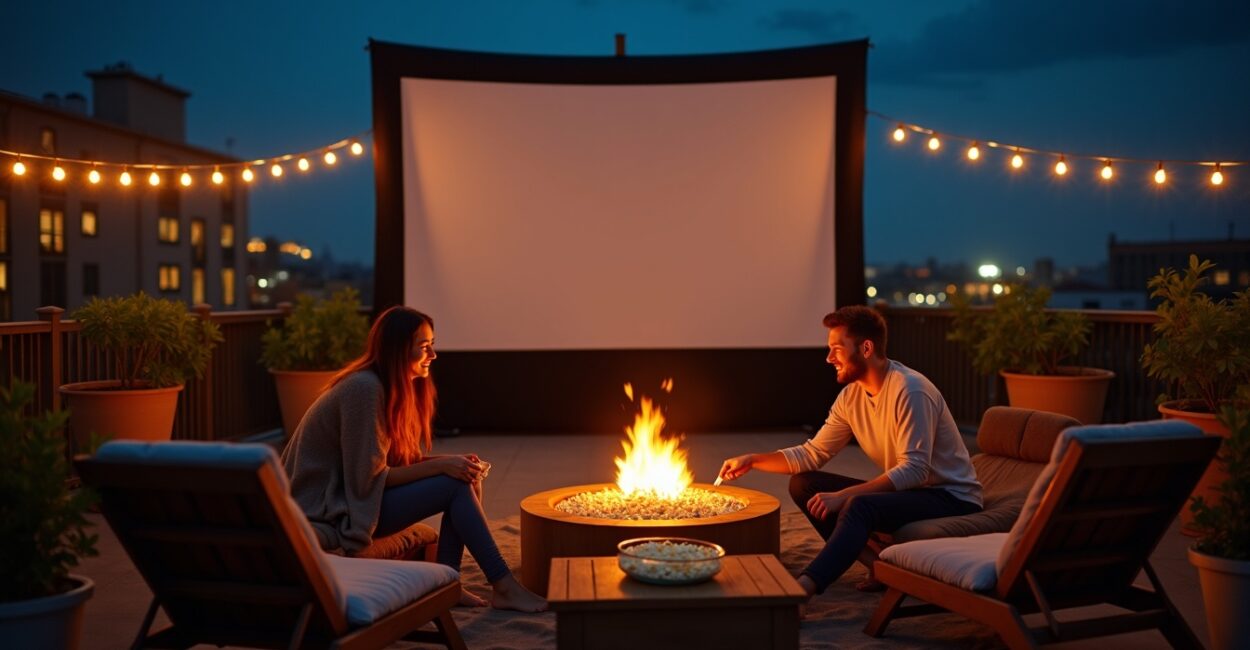
Transforming overlooked corners into joyful escapes, home leisure areas are where memory-making nights and peaceful mornings collide. Imagine a rooftop cinema under starlight or a backyard fire pit that hums with conversation — these ideas bring everyday delight closer to home.
Interest in home leisure areas has surged as people seek safe, personalized entertainment and relaxation at home. This article explores trend-forward concepts for 2025, with practical steps, layouts, and expert-backed tips to help you design spaces that feel both luxe and lived-in.
Read on to discover creative themes, cozy tech, budgeting tips, and safety must-dos — everything you need to craft inviting home leisure areas that perform beautifully on mobile feeds and in real life.
Contents
Toggle1. Microcinemas and Rooftop Screens: Nighttime Magic
Designing intimate outdoor theaters
Small-scale projectors, acoustics, and layered seating turn a balcony or roof into a cinematic microcosm. Use weatherproof fabrics and portable screens to keep flexibility.
Lighting controls and sheltered corners extend seasonality, while smart speakers deliver immersive audio without bulky equipment, blending tech and comfort for unforgettable evenings.
Comfort and tech that feel premium
Choose high-contrast screens and seating with lumbar support to increase comfort. Battery-powered heaters and throw blankets boost usability during cool nights.
Pair with streaming sticks and local media servers for reliable playback; local storage reduces buffering and keeps your rooftop cinema running smoothly.
2. Backyard Fire Pits and Cozy Conversation Nooks
Creating warmth and atmosphere
Fire pits encourage lingering chats, roasting marshmallows, and low-light ambiance. Position seating for face-to-face interaction and wind protection to maximize comfort.
Incorporate natural stone, rust-proof metal, and low-maintenance landscaping to craft an inviting aesthetic that endures seasons and trends.
Safety, permits, and fuel choices
Check local regulations before installing a permanent pit. Propane offers cleaner combustion, while wood delivers crackling authenticity—choose what matches your lifestyle.
Keep a safety kit nearby, clear combustibles, and maintain a safe perimeter to ensure cozy nights don’t become risky ones.
- Assess wind and clearance
- Select fuel type
- Install heat-resistant seating
- Confirm local codes
3. Wellness Corners: Zen Gardens and Yoga Platforms
Designing quiet refuges
Low-maintenance plants, soft decking, and diffused lighting create restorative pockets for meditation and stretching. Natural materials help ground the senses.
Integrate subtle soundscapes and scent with water features or herbal planters to deepen relaxation without overwhelming the space.
Seasonal adaptability and mobility
Portable platforms and foldable shades let you move your wellness corner with the sun. Storage benches double as seating and stash yoga mats easily.
Use modular tiles for quick winter disassembly, allowing indoor transition while retaining the space’s calming character.
4. Multiuse Kitchens and Al Fresco Dining
Cooking, entertaining, and social flow
Outdoor kitchens transform meals into experiences. Include prep surfaces, accessible storage, and all-weather appliances for seamless hosting and casual dinners.
Arrange seating for conversational flow between cooks and guests; a mix of bar-height counters and lounge seating keeps gatherings dynamic and inclusive.
Lighting, ventilation, and material choices
Accent lighting and task illumination create mood and functionality. Choose ventilated cook areas and durable countertops to withstand heat and stains.
Opt for nonporous materials and stainless steel appliances for longevity and easy cleaning after celebrations.
- Plan work triangles for efficiency
- Include shade solutions for midday use
- Pick resilient finishes for weather exposure
| Feature | Cost Range | Maintenance |
|---|---|---|
| Built-in grill | $1,200–$6,000 | Annual servicing |
| Countertops (stone) | $500–$2,500 | Seal every 1–2 years |
| Weatherproof cabinets | $800–$3,000 | Wipe and inspect seasonally |
5. Playful Backyards: Games, Pools, and Activity Zones
Designing for all ages
Rethink lawns as activity hubs with bocce lanes, small plunge pools, or swing sets. Zoning keeps high-energy and quiet areas separate for diverse use.
Durable surfacing and accessible pathways ensure comfort and safety, while movable furniture adapts to spontaneous gatherings and children’s play.
Smart storage and seasonal transitions
Hidden storage benches and modular toy chests protect equipment and keep spaces tidy. Seasonal covers preserve installations during off months.
Consider multiuse features—benches that convert to tables or decks that double as stage space—to maximize value and usability.
- Map activity zones on paper
- Choose durable surfacing
- Install flexible seating
- Add storage and safety features
- Test flow with family members
6. Tech-Forward Comfort: Lighting, Sound, and Smart Controls
Sensory design without complexity
Smart lighting scenes and zoned speakers set mood without fiddly controls. Use presets for movie nights, dinner, and relaxation to simplify use for guests.
Integrate weatherproof tech hubs and concealed wiring for clean aesthetics that withstand outdoor conditions and reduce clutter.
Energy efficiency and integration
Solar path lights and low-energy LEDs cut running costs. Pair with smart thermostats and outdoor-rated outlets to maintain comfort sustainably.
Choose systems compatible with common ecosystems to avoid fragmentation and simplify voice or app control for everyday convenience.
7. Styling, Sustainability, and Budgeting
Materials and eco-conscious choices
Reclaimed wood, composite decking, and native plants lower environmental impact while offering a timeless aesthetic. Sustainable choices age gracefully and reduce maintenance.
Plan long-term by investing in quality anchor pieces and rotating accent elements to refresh the look affordably over time.
Cost breakdown and prioritization
Allocate budget toward structural elements first—seating, shelter, and safety—then add decorative layers like textiles and lighting. This ensures longevity and better ROI.
Phased upgrades let you test what works before committing to larger builds. Prioritize comfort and functionality to guarantee frequent use.
Conclusion
Your home leisure areas can be thoughtful, joyful extensions of daily life — curated for connection, relaxation, and memorable moments. From rooftop cinemas to fire-lit circles, these ideas blend style, safety, and smart design for 2025 and beyond.
Return to your opening curiosity: whether you crave cinematic starlight or a quiet wellness nook, decisive planning and a few inspired choices will create a space you and others will return to, again and again.
FAQ
How do I start planning a home leisure area with a small budget?
Begin by mapping usable outdoor or indoor corners and prioritizing comfort essentials like seating and lighting. Reuse or refurbish existing furniture, choose multiuse pieces, and phase upgrades across seasons. Focus on durable textiles and low-cost lighting to amplify ambiance without large upfront costs.
What safety considerations apply to backyard fire pits and grills?
Follow local codes and clear a safe perimeter free of combustibles. Maintain a fire extinguisher and water source nearby. Use proper fuel, protect surrounding surfaces, and ensure children and pets are supervised. Regularly inspect for wear and consult professionals for permanent installations.
Which plants and materials best suit year-round outdoor leisure areas?
Pick native, drought-tolerant plants and rot-resistant materials like cedar, composite decking, and powder-coated metals. These require less care, survive local climates, and support biodiversity. Use permeable paving to manage runoff and select finishes that age gracefully for minimal upkeep.
How can technology enhance comfort without being intrusive?
Deploy discreet, weather-rated speakers and programmable lighting scenes that use timers or geofencing. Choose systems compatible with major smart assistants and avoid visible wiring by concealing fixtures. Prioritize user-friendly interfaces and presets so family and guests can enjoy controls easily.
What permits or professional help might I need for major upgrades?
Consult local building authorities for permanent structures, plumbing, and electrical work. Hire licensed contractors for installations that affect structural integrity or utilities. For complex layouts, consider landscape architects or designers to optimize flow, drainage, and longevity of your leisure areas.
References: Explore design inspiration at Architectural Digest and practical installation guides at Houzz for product selection and contractor tips.