

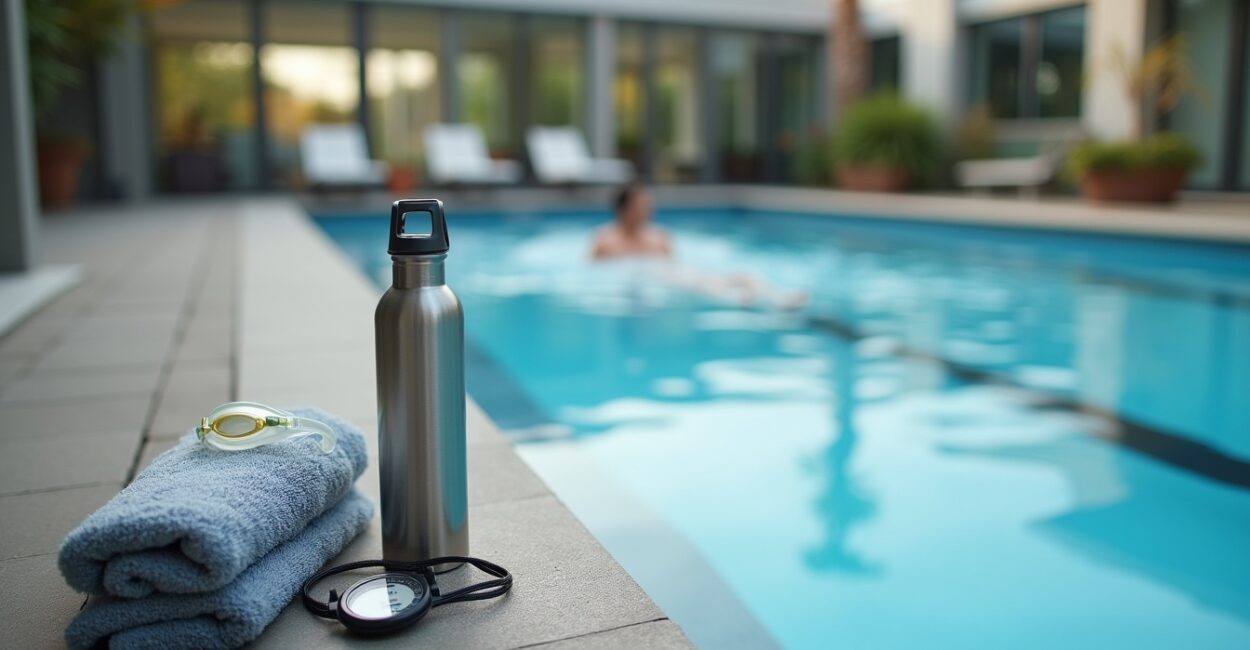
Could 15 minutes of easy laps plus a brisk ice bath be the short cut your body needs after a grueling run? The idea of smart, short sessions—cooldown swims and contrast baths—can unlock faster recovery, reduced soreness, and surprising mental calm.
Recovery matters now more than ever for busy athletes and weekend warriors juggling training, work, and life. This article explores practical, science-backed ways to save recovery time using cooldown swims, contrast baths, and simple protocols that fit into any schedule.
Read on to learn step-by-step routines, timing tips, and how to combine swim cooldowns and hot–cold contrast therapy to speed repair, ease inflammation, and get you back to doing what you love sooner.
Contents
ToggleWhy short cooldown swims speed recovery
Cooldown swims are gentle, low-impact laps that promote blood flow, limit muscle stiffness, and help nutrient delivery to fatigued tissue. The term recovery appears frequently here because it’s the focus: reducing soreness and restoring function quickly.
How light swimming aids circulation
Light laps increase venous return without strain, flushing metabolic waste from muscles and reducing post-exercise pain. The buoyancy also reduces joint load, helping movement feel easier.
Emotional benefits of aquatic cooldowns
Being in water lowers stress hormones and provides soothing sensory input, which speeds perceived recovery and supports sleep quality—both crucial for physiological repair.
Contrast baths: hot and cold for faster repair
Contrast baths alternate heat and cold to create vascular pumping—dilating and constricting blood vessels—which supports swelling control, immune response, and recovery. This approach ties directly into optimized recovery strategies.
Mechanism: vascular flush and inflammation control
Spa-style temperature shifts push fluids through tissues, reducing localized swelling and moving inflammatory byproducts away from injury sites to accelerate healing.
Practical timing and temperature windows
Use warm (38–40°C) and cold (10–15°C) cycles of 1–3 minutes each; total session 10–20 minutes. Adjust to tolerance to maximize benefits without causing thermal shock.
- Warm for 90 seconds to dilate vessels
- Cold for 60 seconds to constrict and flush
- Repeat 4–6 cycles depending on tolerance
Combining 15‑minute easy laps with an ice bath
A concise protocol—15 minutes of easy laps followed by a short ice bath—can dramatically reduce delayed-onset muscle soreness (DOMS) and save recovery time for runners and triathletes.
Sequence: swim first, ice second
Begin with gentle swimming to mobilize joints and encourage circulation. Finish with a brief ice immersion to blunt inflammation and numb hyperalgesia.
How long and how cold for best results
Swim for 10–15 minutes at conversational pace. Ice bath: 8–10 minutes at 10–12°C. Monitor tolerance and exit if feeling dizzy or excessively numb.
Evidence and expert tips for practical application
Research and practitioner experience show the blend of active recovery and cold therapy reduces soreness and improves readiness. Use these expert tips to implement safely and effectively.
When to avoid cold or contrast therapy
Avoid cold immersion immediately after heavy strength sessions aimed at hypertrophy if you want maximal adaptation; cold can blunt muscle growth. Also skip if you have cardiovascular issues without medical clearance.
Combining with stretch, foam rolling, and nutrition
Pair swims and baths with light mobility work and protein-carb intake within 30–60 minutes to maximize repair and glycogen restoration.
| Protocol | Duration | Temperature | Main benefit |
|---|---|---|---|
| Cooldown swim + ice | 15 min swim + 8–10 min ice | 10–12°C (ice) | Rapid soreness relief |
| Contrast bath cycles | 12–18 min total | 38–40°C / 10–15°C | Swelling control and circulation |
| Active recovery only | 10–20 min light activity | Room temp | Blood flow and mobility |
Step-by-step routine to save recovery time
Follow this compact, repeatable plan after intense runs or long rides to reduce soreness and return to quality training sooner. The routine centers recovery through active circulation, cold exposure, and post-session care.
Pre-immersion checklist
Gather towels, thermometer, and hydration. Check water temperatures and ensure you have a comfortable, warm place to rest afterwards.
Implementation steps
Execute the protocol calmly, focusing on breathing and body awareness to maximize physiological benefits and safety.
- Warm down with 10–15 minutes of easy swimming at conversational pace.
- Rest for 2–3 minutes on pool deck while hydrating lightly.
- Prepare ice bath to 10–12°C and lower yourself in calmly.
- Remain for 8–10 minutes, focusing on steady breaths and scanning for numbness.
- Exit slowly, dry off, and apply light compression if needed.
- Refuel with protein-rich snack within 45 minutes.
Common mistakes and how to avoid them
Many people underuse active cooldowns or overdo cold exposure. Recognize and avoid mistakes to make recovery strategies both safe and efficient.
Overcooling and ignoring signs
Excessive cold can impair function and raise injury risk. Respect personal tolerance and stop if you feel excessive shivering or dizziness.
Neglecting progressive return to training
Quick recovery doesn’t mean instant intensity. Use the reduced soreness as a cue for readiness, not permission to overload too soon.
- Keep cold exposures within 8–12 minutes
- Monitor soreness trends, not single sessions
- Adjust routines based on sport and goals
Putting it all together: a weekly plan
Integrate swim cooldowns and contrast baths into a balanced weekly schedule to accelerate recovery while preserving training adaptations. This plan balances active recovery and targeted cold use.
Sample week for a runner
Use cooldown swim + ice after long runs, contrast baths after intense intervals, and active recovery swims on easy days to keep blood flowing.
Tracking progress and adjusting
Log soreness, sleep, and training quality. If recovery metrics improve, maintain routine; if not, tweak duration or frequency for better outcomes.
Conclusion: faster recovery without the fuss
Short, intentional cooldown swims combined with targeted contrast baths or brief ice immersion can shave days off soreness and restore performance faster. Recovery doesn’t require hours—just smart, evidence-aligned steps.
Start small: a 15‑minute easy swim and a single short ice bath can reveal remarkable gains in comfort, sleep, and readiness. Treat recovery as training—consistent, measured, and purposeful—and you’ll get back to what you love sooner.
Frequently asked questions
How long should I wait after exercise to do an ice bath?
Ideally wait 10–30 minutes after intense exercise to allow core temperature to stabilize and for basic cooldown activity to occur; this brief delay lets initial inflammatory signaling begin while still enabling the ice bath to reduce excessive swelling and perceived soreness. If you did a light cooldown swim, proceed sooner. Always prioritize safety and gradual immersion, and consult a clinician for heart concerns.
Can contrast baths replace rest days?
Contrast baths help circulation and swelling but they’re not a substitute for true rest. Rest days allow central nervous system recovery and tissue repair. Use contrast therapy on active recovery days to speed local recovery, but still include full rest days for systemic adaptation and long-term performance.
Are cooldown swims safe for beginners?
Yes—cooldown swims are low-impact and suitable for most beginners, provided you swim at an easy pace and avoid breathless intensity. Stay in shallow water if unsure, keep sessions under 20 minutes, and consult a coach or clinician if you have respiratory or cardiac issues before beginning water-based recovery routines.
How often should athletes use ice baths or contrast therapy?
Use ice baths 1–3 times weekly after high-intensity or long sessions, and contrast therapy 1–2 times for swelling-prone events. Frequency depends on training load, adaptation goals, and individual tolerance; too much cold can blunt some training adaptations, so tailor use to recovery needs and competitive schedule.
Where can I learn more about the science behind recovery methods?
Read peer-reviewed physiology reviews and practical guidelines from trustworthy sources like the American College of Sports Medicine and clinical sports medicine literature. For applied coaching tips, resources from national swim and triathlon federations also help combine aquatic recovery with training safely and effectively.
External resources: American College of Sports Medicine, PubMed Central.